Think about it this way. A professional cleaner can transform a home in a fraction of the time it takes most homeowners to do the same job. Are they working harder? Absolutely not. They’re working smarter, with the right tools for the right surfaces, organized systems that eliminate wasted effort, and equipment that actually does what it’s supposed to do rather than just moving dirt from one place to another.
The good news is that building the ultimate home cleaning toolkit doesn’t require a massive investment or a complicated overhaul of your cleaning routine. It starts with understanding which tools genuinely matter, which ones are worth upgrading, and which trendy gadgets you can safely skip. Whether you’re setting up your first home or completely rethinking your cleaning approach, this comprehensive guide to home cleaning tools has everything you need.
Why Having the Right Cleaning Tools for Home Actually Matters
Before diving into the specific tools, it’s worth taking a moment to understand why this matters so much, because the difference between cleaning with the right tools and cleaning with whatever happens to be available is more significant than most people realize.
The Time Equation
Professional cleaners consistently report that the right tools reduce cleaning time by 40 to 50 percent compared to basic or incorrect equipment. That’s not a marginal improvement. It’s the difference between spending an hour cleaning a bathroom and spending 25 minutes achieving a better result. Across a full week of household cleaning, the right toolkit can realistically give you two to three hours back. For most people, that’s an enormously compelling reason to invest some thought into what they’re cleaning with.
The mechanism is straightforward: the right tool for the right surface does the work more efficiently, requiring fewer passes, less physical effort, and less time. A microfiber cloth on a glass surface removes smears in one pass. A cotton rag on the same surface redistributes them, requiring multiple attempts and often leaving streaks regardless. The difference isn’t technique, it’s tool quality and appropriateness.
The Hygiene Reality
Beyond time, the right cleaning tools produce genuinely more hygienic results, and this matters considerably more than most people appreciate. A study published in the American Journal of Infection Control found that microfiber cloths removed up to 99 percent of bacteria from surfaces using only water, while conventional cotton cloths removed around 33 percent. That’s not a modest difference. It’s the difference between genuinely clean and superficially wiped.
The same principle applies across the cleaning toolkit. A vacuum with HEPA filtration captures bacteria, dust mites, and allergens rather than expelling them back into the air. A grout brush physically removes bacteria embedded in porous grout that a mop passes over. A squeegee removes the water film from shower tiles that feeds mold and mildew growth. The right tools don’t just make surfaces look clean, they make them measurably cleaner.
The Cost of Getting It Wrong
There’s a persistent false economy in cheap cleaning tools. A $3 mop that falls apart after two months, leaves streaks on every floor, and spreads bacteria rather than removing it costs more in the long run than a $35 microfiber mop that lasts years and genuinely cleans. The same applies across the toolkit. Cheap sponges that harbor bacteria within days, vacuum cleaners that blow allergens back into the air, and spray bottles that clog and leak from the first use. Quality cleaning tools, properly maintained, represent exceptional value over their lifespan compared to the revolving door of cheap replacements.
The Habit Connection
Finally, and this is perhaps the most psychologically important point, cleaning with good tools is simply more pleasant and less frustrating than cleaning with poor ones. When the mop glides smoothly and picks up debris effectively, when the vacuum has sufficient suction, when the microfiber cloth produces a streak-free result on the first pass, these small satisfactions make cleaning feel manageable and even rewarding rather than an exercise in futile effort. Better tools create better cleaning habits, and better cleaning habits create better homes.
The Essential Cleaning Tools Every Home Needs
These are the non-negotiables, the tools that every home should have regardless of size, budget, or cleaning style. Master these fundamentals before investing in anything else.
The Microfiber Cloth: The Single Most Important Cleaning Tool
If you take nothing else from this guide, take this: replace every cotton rag, paper towel, and old t-shirt in your cleaning rotation with quality microfiber cloths. Microfiber, a synthetic fabric woven from fibers 100 times finer than a human hair, creates an enormous surface area that physically traps and holds dust, debris, bacteria, and liquid rather than redistributing them. The difference in cleaning effectiveness, particularly on glass, mirrors, stainless steel, and countertop surfaces, is immediately and dramatically apparent.
Buy microfiber cloths in bulk. A pack of 24 is ideal, so you always have a clean one available and can rotate through them without running out. Use different colors for different areas of the home: blue for general surfaces, yellow for the kitchen, red for bathrooms. This color-coding system prevents cross-contamination between different areas and is the same system professional cleaning services use. Wash microfiber cloths separately from cotton items, without fabric softener. Softener clogs the microfibers and destroys their cleaning effectiveness.
The Flat Microfiber Mop
For hard floors of any type, tile, hardwood, vinyl, laminate, or stone, the flat microfiber mop is the definitive tool. Retire the string mop. String mops hold excessive water and redistribute dirty water across the floor rather than lifting it. Flat microfiber mops pick up debris, bacteria, and liquid effectively, distribute cleaning solution as a thin, controlled dampness, and dry quickly enough to prevent moisture damage on sensitive surfaces like hardwood and laminate. The Bona Premium Microfiber Mop, the O-Cedar ProMist, and the Rubbermaid Reveal are all excellent choices at different price points.
A Quality Vacuum Cleaner
The vacuum cleaner is typically the largest investment in a home cleaning toolkit, and it’s worth doing properly. The features that genuinely matter are suction power maintained across the life of the machine, filtration quality, HEPA filtration is the meaningful standard, a range of attachments for different surfaces and situations, and reliability of build quality. Dyson, Miele, Shark, and Bissell all produce excellent vacuums across different price ranges. The specific model matters less than ensuring you have sufficient suction, HEPA filtration, and the right attachments for your specific home.
Scrub Brushes
Every home needs at least three dedicated scrub brushes: a stiff-bristled general scrub brush for tough surface cleaning, a narrow grout brush for tile grout lines, and a toilet brush for bathroom hygiene. These three cover the cleaning challenges that no mop, cloth, or spray alone can address, situations that require physical agitation to dislodge embedded debris. Keep each brush dedicated to its specific application and replace them every three to six months as bristles wear and bacteria accumulate.
Rubber Gloves
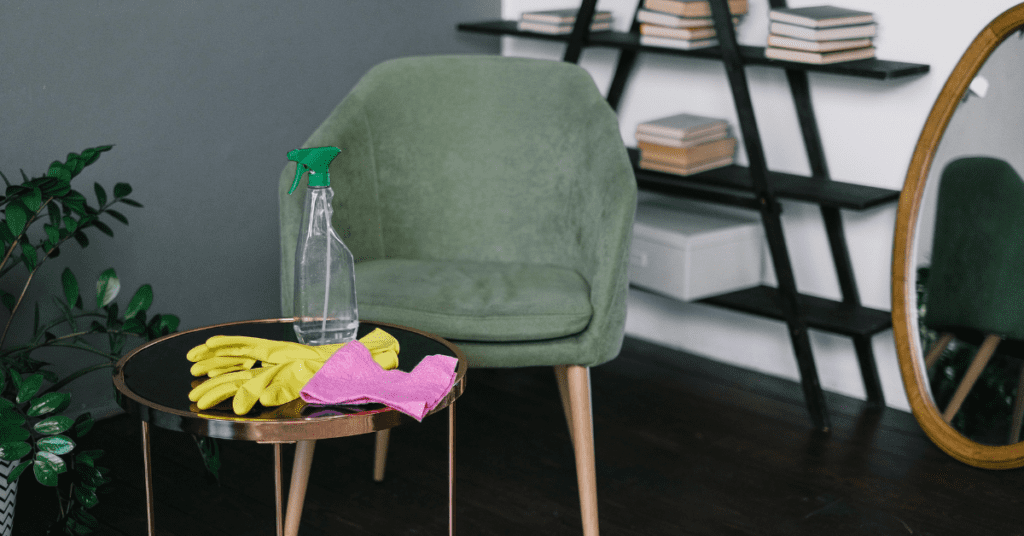
Rubber gloves are one of the most underrated tools in any home cleaning kit. They protect your hands from cleaning chemical exposure, even products labeled as gentle, cause skin drying and irritation with regular exposure. They improve your grip on cleaning tools. They allow you to use genuinely hot water that bare hands can’t tolerate, significantly improving cleaning effectiveness. And they create an important psychological separation between “cleaning mode” and normal activity that many people find helpful for maintaining the habit. Keep at least two pairs, one for bathrooms, one for kitchens, to prevent cross-contamination.
Dedicated Spray Bottles
A set of clearly labeled, dedicated spray bottles for your different cleaning solutions, one for glass cleaner, one for all-purpose spray, one for bathroom cleaner, one for floor cleaning solution, transforms cleaning efficiency. Fill them with your chosen commercial or DIY solutions, label them clearly, and keep them in the appropriate room or cleaning caddy. The convenience of having the right solution immediately to hand rather than hunting for bottles under the sink dramatically reduces friction in the cleaning process. Choose bottles with adjustable nozzles that provide both fine mist and direct stream options.
The Squeegee
Criminally underused in most homes, the squeegee is one of the most versatile and effective cleaning tools available. In the bathroom, a small squeegee used on shower walls and glass after every shower prevents soap scum and water spotting from ever becoming established, eliminating what is typically one of the most labor-intensive cleaning tasks in the home. On windows, a professional-quality squeegee produces streak-free results faster and more reliably than any paper towel or cloth approach. In the kitchen, a counter squeegee efficiently moves liquids and debris toward the sink. One tool, multiple rooms, remarkable effectiveness.
The Best Mops and Floor Cleaning Tools for Every Floor Type
Floor cleaning represents the largest proportion of most home cleaning routines, and the mop you use has more impact on your cleaning results and efficiency than almost any other single tool choice.
Flat Microfiber Mops: The Clear Winner for Most Homes
As established in the essentials section, the flat microfiber mop is the gold standard for hard floor cleaning in the modern home. The flat pad design means the entire cleaning surface is in contact with the floor at all times, unlike a string mop, where only a portion of the mop contacts the surface at any given point. The microfiber material lifts and holds debris rather than redistributing it. And the pad is easily removed and machine-washed, meaning you’re always cleaning with a genuinely clean mop rather than redistributing accumulated bacteria from previous cleaning sessions.
For homes with a mix of floor types, choose a flat mop with interchangeable pads, a dry microfiber pad for dusting and sweeping, a damp cleaning pad for regular mopping, and a scrubbing pad for tougher cleaning sessions. This versatility makes the flat mop the only floor cleaning tool most homes actually need for everyday maintenance.
Spin Mops: The Best Option for Heavy-Duty Mopping
For larger floor areas, heavily soiled floors, or situations where you want more water capacity than a flat mop provides, a spin mop with a centrifugal wringer mechanism is the best alternative. The spinning wringer removes water from the mop head quickly and efficiently, giving you precise control over moisture level, critical for any floor type sensitive to excess water. The 360-degree rotating mop head reaches under furniture and into corners more easily than flat mops. The O-Cedar EasyWring Spin Mop is consistently the most highly rated option in this category.
Steam Mops: Powerful, but Use With Caution
Steam mops use high-temperature steam to clean and sanitize floor surfaces without chemical cleaners, an appealing proposition for households with children, pets, or chemical sensitivities. On ceramic tile, porcelain tile, and sealed stone floors, they work beautifully. The steam penetrates grout lines, kills bacteria and mold spores, and loosens baked-on grime effectively. On hardwood, engineered wood, vinyl, and laminate floors, however, steam mops cause progressive, cumulative damage. The heat and moisture penetrate the finish and surface layers, causing warping, delamination, and structural deterioration over time. Know your floor types before investing in a steam mop, and never use one on any floor type sensitive to moisture or heat.
Robot Mops: The Best Investment for Daily Floor Maintenance
Robot mops, particularly models like the Shark Matrix Plus or Roborock with mop functionality, are not a replacement for manual mopping but an excellent complement to it. Set to run daily on kitchen and bathroom tile floors, they keep light grime and residue from accumulating between manual cleaning sessions, dramatically reducing the frequency and intensity of manual mopping required. For busy households where daily manual floor cleaning isn’t realistic, a robot mop is one of the highest-value cleaning tool investments available.
Mop Pad Maintenance
A clean mop pad is fundamental to effective floor cleaning. A dirty, bacteria-laden mop pad doesn’t clean floors. It contaminates them. Wash microfiber mop pads after every use in hot water without fabric softener. Replace pads when they become permanently discolored, when the microfiber texture has flattened, or when they no longer pick up debris effectively. Most quality microfiber mop pads last 200 to 500 washes before replacement is needed, a remarkably cost-effective lifespan.
Vacuum Cleaners and Suction Tools: Choosing the Right One for Your Home
The vacuum cleaner is the most used tool in most home cleaning routines, and choosing the right type for your specific home makes an enormous difference in both cleaning effectiveness and the sustainability of the cleaning habit.
Upright Vacuums: The Traditional Powerhouse
Upright vacuums are the traditional choice for homes with significant carpeted areas. They offer strong suction, large dustbin capacity, and effective carpet agitation through powered brush rolls. Their limitation is size and maneuverability. They’re bulky to store, awkward on stairs, and less effective on hard floors than dedicated hard-floor tools. If your home is primarily carpeted, a quality upright vacuum from Dyson, Shark, or Hoover represents the best cleaning investment for your specific needs.
Canister Vacuums: The Versatile Performer
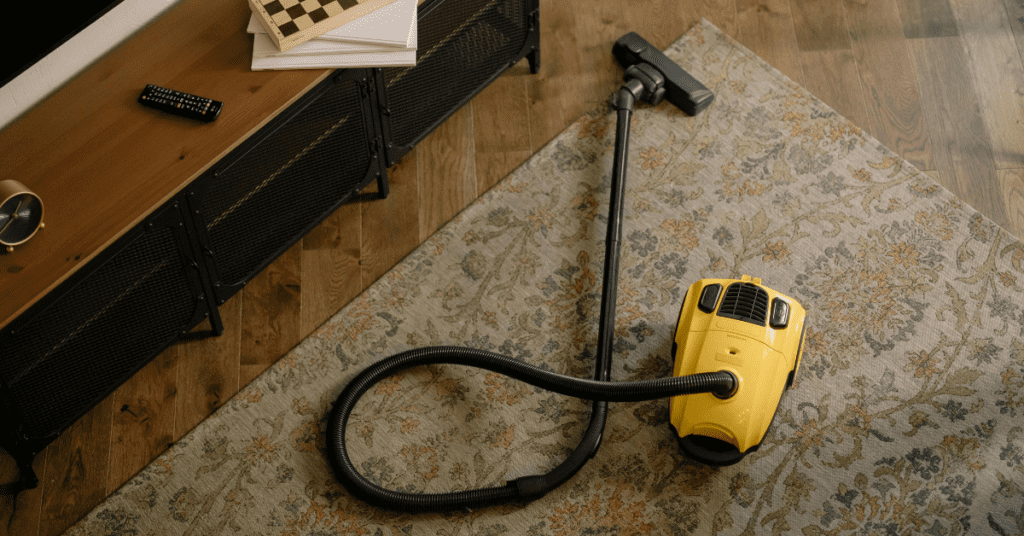
Canister vacuums, with a separate motor unit on wheels connected to a cleaning wand by a flexible hose, offer the best balance of power, versatility, and maneuverability for homes with mixed floor types. They handle both carpet and hard floors well, reach under furniture easily, navigate stairs with far less effort than uprights, and typically offer a wider range of attachment options. Miele canister vacuums are the gold standard in this category, extraordinarily well-built, with excellent filtration and reliable performance over many years of use.
Cordless Stick Vacuums: The Modern Everyday Choice
For most modern homes, particularly those with open-plan layouts, a mix of hard floors and area rugs, and moderate rather than deep-pile carpet, a cordless stick vacuum has become the most practical everyday cleaning tool. The freedom of movement without a power cord, the lightweight design that makes daily quick-clean sessions genuinely effortless, and the speed of deployment, no cord to unravel, no outlet to find, make cordless stick vacuums the tool most likely to actually be used daily rather than weekly. Dyson’s V-series and the Shark Detect Pro are consistently the highest-rated options in this category.
Robot Vacuums: The Daily Maintenance Game-Changer
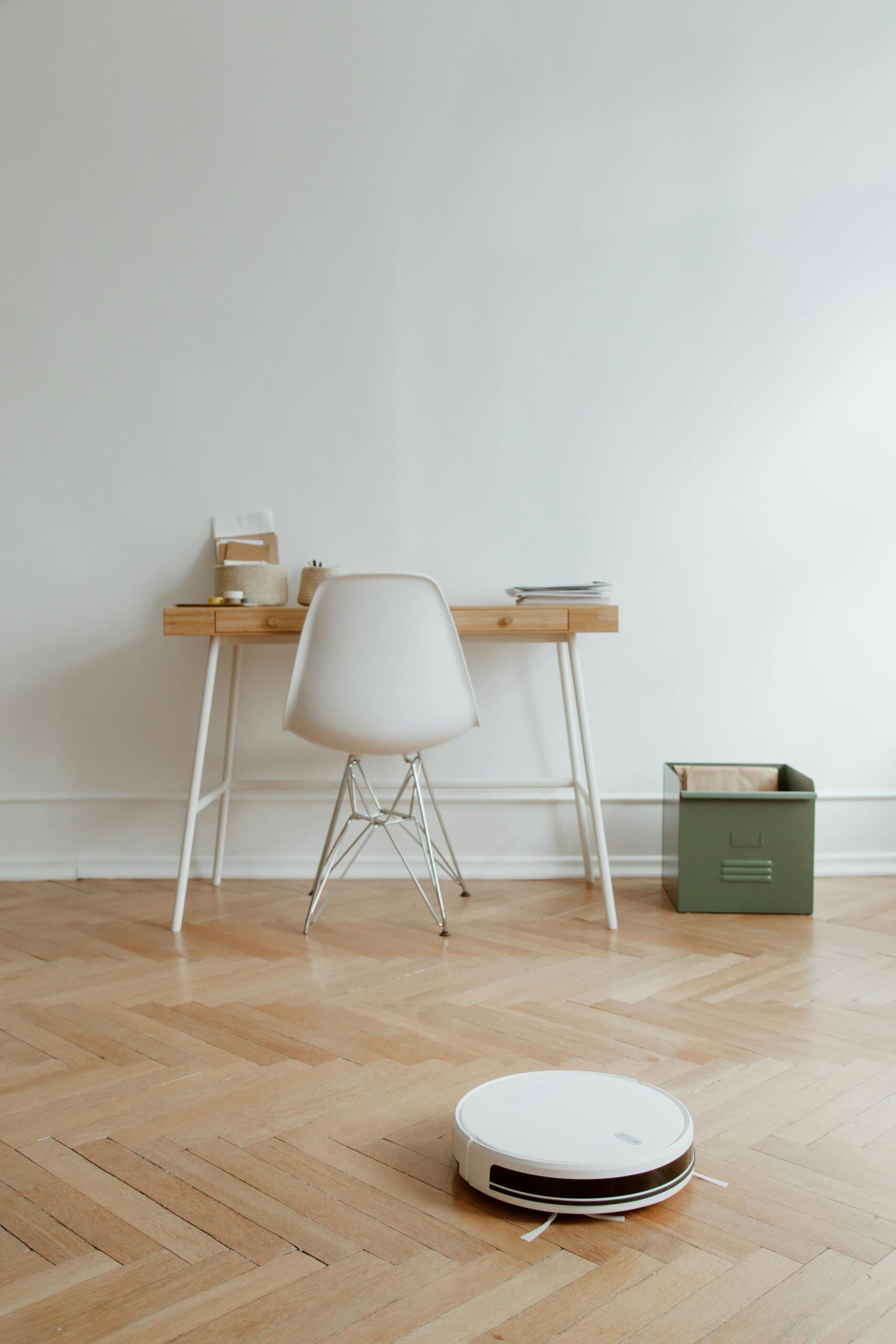
A robot vacuum does not replace a full-size vacuum, but it does something a full-size vacuum can’t: it runs automatically, daily, without requiring any human effort. The cumulative impact of daily automated floor cleaning on the overall cleanliness of a home is genuinely remarkable. Fine dust, pet hair, and debris that would otherwise accumulate over days get removed every day, maintaining a consistent baseline cleanliness that makes manual cleaning sessions faster and less intensive. The Shark Matrix Plux, Roborock S8 MaxV Ultra, and Dreame X40 Ultra are among the top performers in 2026.
HEPA Filtration: Why It Matters
HEPA (High Efficiency Particulate Air) filtration captures 99.97 percent of particles 0.3 microns or larger, including dust mite debris, pollen, mold spores, and many bacteria. For households with allergy sufferers, asthma, or anyone concerned about indoor air quality, HEPA filtration in a vacuum is not optional; it’s essential. A vacuum without adequate filtration captures debris in its dustbin but expels fine particles back into the room’s air through the exhaust. This is particularly concerning with pet dander and dust mite allergens, which are light enough to remain airborne and be inhaled. Always choose a vacuum with true HEPA filtration.
Vacuum Attachments Worth Using
Most vacuums come with more attachments than their owners ever use, but a few are genuinely valuable. The crevice tool reaches into the gaps between sofa cushions, along baseboards, in car interiors, and in any narrow space where debris accumulates. The upholstery tool with its softer brush roll is designed for sofas, chairs, mattresses, and fabric surfaces that would be damaged by the standard floor brush. The soft dusting brush, a round brush with soft bristles, is ideal for blinds, lamp shades, bookshelves, and delicate decorative surfaces. Learn these three and use them. They address cleaning tasks that nothing else in your toolkit handles as effectively.
Handheld Vacuums: The Perfect Supplement
A small, cordless handheld vacuum is the ideal supplementary suction tool for quick clean-ups. Crumbs on the dining table, debris in the car, pet hair on a specific chair, a spill on the sofa cushion. The Black and Decker Dustbuster and the Dyson V7 Trigger are both excellent choices. Keep one charged and accessible in the kitchen, it handles the daily food debris clean-up that is too small a task to justify deploying the main vacuum, but too persistent to ignore.
Scrubbing Tools and Brushes for Every Cleaning Challenge
No spray, cloth, or mop can replace the mechanical action of a dedicated scrubbing brush when the situation calls for it. These are the brushes every home should have.
Grout Brushes: The Non-Negotiable Tile Companion
A narrow, stiff-bristled grout brush is the single most important brush in any home with tile surfaces. Nothing else reaches into grout lines and physically agitates the embedded grime, soap scum, and mold that cleaning sprays and mops leave behind. At under five dollars, the grout brush is arguably the best value-to-impact cleaning tool available. Keep one in the bathroom, one in the kitchen, and use them regularly. Monthly targeted grout scrubbing prevents the deep, set-in staining that makes grout look permanently dirty.
Toilet Brushes: Design Matters More Than You Think
Not all toilet brushes are created equal, and the design of both the brush and its holder matters considerably for both cleaning effectiveness and bathroom hygiene. Look for a brush with stiff, densely packed bristles that reach under the rim effectively. This is where the most significant bacterial accumulation occurs and where many brushes simply don’t reach. The holder design matters too: enclosed holders that drain and dry the brush between uses are far more hygienic than open holders where the brush sits in stagnant water. The Oxo Good Grips Toilet Brush is consistently the highest-rated option in this category.
Dish Brushes vs. Sponges: The Hygiene Question
Kitchen sponges are among the most bacteria-laden objects in any home. Research has found that a typical kitchen sponge harbors more bacteria per square inch than almost any other household surface, including toilet seats. The bacteria in a sponge are extremely difficult to eliminate. Microwaving and washing do not fully eradicate the bacteria that have colonized the interior of the foam structure. Dish brushes, with their solid handle, open bristle structure that dries quickly between uses, and easily replaceable head, are significantly more hygienic. Replace the dish brush head monthly, or use silicone scrubbers that can be fully sterilized in the dishwasher.
Electric Scrubbers: When Powered Cleaning Makes Sense
Electric spin scrubbers, cordless devices with interchangeable rotating brush heads, have moved from novelty to a genuinely useful cleaning tool for many homes. They excel at bathroom cleaning in particular: grout lines, tile surfaces, around faucets and drains, inside the toilet bowl, and on textured shower floors. The spinning action provides consistent mechanical scrubbing pressure without the physical effort and fatigue of manual scrubbing, making thorough bathroom cleaning less physically demanding and faster. The Homitt Electric Spin Scrubber and the Tilswall Electric Cleaning Brush are well-rated options at accessible price points.
Deck Brushes for Tough Outdoor Cleaning
A stiff-bristled deck brush, a wide, long-handled brush designed for significant scrubbing force, handles outdoor and garage cleaning challenges that indoor brushes can’t address. Algae and moss on patio tiles, dirt and oil stains in the garage, mud on outdoor furniture, and grime on exterior steps all respond well to a deck brush used with an appropriate cleaning solution. Keep one dedicated to outdoor use only and store it separately from indoor cleaning tools.
Detail Brushes for the Overlooked Spots
A set of small detail brushes, old toothbrushes work excellently for this purpose, handles the cleaning tasks that larger tools simply can’t reach. Around faucet bases, in the tracks of sliding doors and windows, between keyboard keys, in the slots of air vents and grilles, around the base of taps, in the crevices of appliance buttons and dials, these small spaces accumulate significant grime and require dedicated small-brush attention. Keep a designated set of old toothbrushes in your cleaning caddy specifically for detail work.
Microfiber Cloths and Dusting Tools That Actually Work
Dusting is one of the most frequently done and most ineffectively done cleaning tasks in most homes, because the wrong tools don’t capture dust. They just move it from one surface to another, where it resettles moments later.
Understanding Microfiber Cloth Types
Not all microfiber cloths are the same, and understanding the differences helps you choose the right cloth for each task. GSM, grams per square meter, is the key specification. Low GSM cloths (200 to 300 GSM) are thin and ideal for streak-free glass and mirror cleaning. Medium GSM cloths (300 to 400 GSM) are versatile, all-purpose cleaning cloths for countertops, appliances, and general surfaces. High GSM cloths (400 to 600 GSM) are thick and highly absorbent, ideal for drying dishes, wiping up spills, and any application requiring high liquid absorption. Buy a variety of GSM weights and use the appropriate cloth for each task.
Dusting Tools That Capture Rather Than Redistribute
The traditional feather duster is one of the least effective cleaning tools ever popularized. It moves dust from surfaces into the air, where it circulates and resettles, achieving essentially nothing. Microfiber dusters, by contrast, use the electrostatic properties of microfiber to attract and hold dust rather than displacing it. A quality microfiber duster, such as the Swiffer Duster, the OXO Good Grips Microfiber Duster, or any good-quality microfiber option, genuinely removes dust from surfaces rather than redistributing it.
Extendable Dusting Wands
An extendable microfiber duster wand, one that telescopes from approximately 18 inches to 3 or 4 feet, eliminates the need for a step ladder for the majority of high-dusting tasks. Ceiling fans, the tops of kitchen cabinets, high shelves, light fixtures, cornicing, and curtain rails are all reachable with an extendable duster. This single tool eliminates a significant physical awkwardness from the dusting process and means high surfaces actually get dusted regularly, rather than whenever someone can be bothered to get the ladder out.
Maintaining Microfiber Tools
Microfiber cloths and dusters must be washed correctly to maintain their effectiveness. Always wash microfiber separately from cotton items. Cotton lint embeds in microfiber and reduces its cleaning effectiveness. Never use fabric softener on microfiber. Softener coats the fibers and destroys the electrostatic dust-attracting properties that make microfiber effective. Wash in warm or hot water with a small amount of liquid detergent. Air dry or tumble dry on low heat. High heat degrades the synthetic fibers over time.
Bathroom Cleaning Tools That Make the Job Faster and More Hygienic
The bathroom is the room that most benefits from having dedicated, appropriate cleaning tools, and the room where using the wrong tools has the most significant hygiene consequences.
The Complete Bathroom Cleaning Tool Kit
A fully equipped bathroom cleaning toolkit should include: a toilet brush with an enclosed holder, a grout brush for tile and grout, a squeegee for shower walls and glass, a set of dedicated microfiber cloths in a color designated for bathroom use only, a small detail brush for faucets and drain surrounds, and a pumice stone for stubborn toilet bowl mineral deposits. With these six tools and appropriate cleaning solutions, every bathroom cleaning task can be addressed thoroughly and efficiently.
The Shower Squeegee: The Most Impactful Bathroom Tool
Keep a small squeegee mounted on the shower wall and use it on shower walls, glass, and the shower floor after every single shower. This 30-second habit removes the water film that feeds soap scum and mold growth, eliminating the need for aggressive chemical scrubbing in between regular cleaning sessions. It is genuinely the highest-impact, lowest-effort bathroom maintenance habit available, and the squeegee that makes it possible is typically a $10 to $15 investment that pays for itself in cleaning time saved within the first month.
Pumice Stones for Mineral Deposits
A pumice stone, a porous, naturally abrasive volcanic rock, is the most effective tool for removing the stubborn calcium and mineral deposit rings that form in toilet bowls in hard water areas. Wet the pumice stone and rub gently on the mineral deposit, the pumice abrades the deposit without scratching the porcelain surface when used correctly and kept wet throughout. This is one of those tools that homeowners discover and immediately wonder how they managed bathroom cleaning without it.
The Bathroom Cleaning Caddy
Organize all bathroom cleaning tools and supplies in a dedicated caddy kept under the bathroom sink or in an accessible cupboard. Having everything immediately to hand eliminates the friction of hunting for supplies and makes the difference between a bathroom that gets cleaned promptly when it needs it and one that gets cleaned when you eventually get around to gathering everything together.
Kitchen Cleaning Tools That Every Home Chef Needs
The kitchen demands a broader and more specialized cleaning toolkit than any other room, given the unique combination of grease, heat, food debris, and hygiene requirements it presents.
Dish Brushes and Scrubbers
As established in the scrubbing tools section, dish brushes are significantly more hygienic than traditional sponges. For pots, pans, and baking dishes with stuck-on food, a stiff-bristled pot scrubber brush or a chainmail scrubber for cast iron provides the mechanical cleaning force needed without the bacterial concerns of a sponge. Silicone scrubbers, dishwasher-safe, non-bacterial-harboring, and long-lasting, are an excellent sponge replacement for general dish cleaning.
Oven and Grill Cleaning Tools
A stiff-bristled oven brush or a dedicated oven scraper handles baked-on food deposits in the oven cavity that sprays and cloths can’t address alone. For grills and grill pans, a wire grill brush removes carbonized food residue effectively, choose one with a scraper attachment for particularly stubborn deposits. A pumice oven stone is an excellent chemical-free option for oven cleaning that produces impressive results on baked-on grease.
Kitchen Drain Tools
A drain snake, a flexible auger that reaches into drain pipes and physically removes blockages, is an essential kitchen tool that most homeowners don’t think to buy until they have a blocked drain. A small, handheld drain snake handles the hair and debris clogs that are the most common cause of kitchen and bathroom drain blockages. Keep one in both the kitchen and bathroom cleaning kits.
Microfiber Cloths for Kitchen Surfaces
Designate a specific color of microfiber cloth exclusively for kitchen surfaces, countertops, appliances, cabinet fronts, and stovetops. The dedicated color prevents cross-contamination between kitchen and bathroom cleaning and ensures you always know which cloth is appropriate for the food preparation environment. For streak-free stainless steel appliances specifically, a low-GSM microfiber cloth used with a small amount of rubbing alcohol in the direction of the grain produces excellent results.
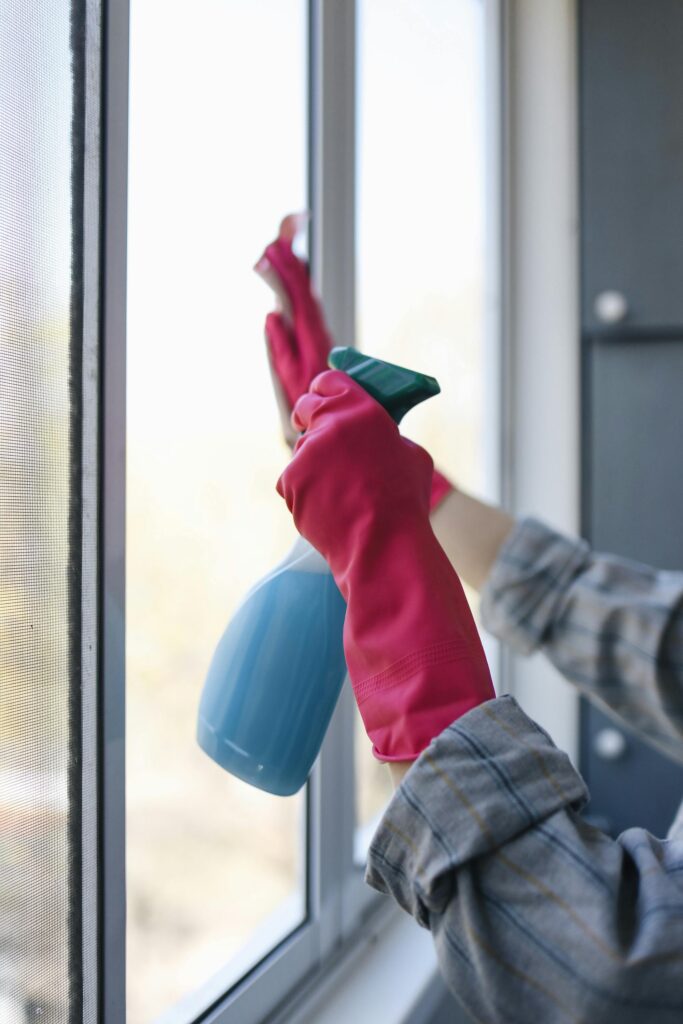
Window and Glass Cleaning Tools for a Streak-Free Finish
Window cleaning is the task most commonly done with entirely the wrong tools, and the results show it. Streaky windows are almost always the result of using paper towels, cotton cloths, or inappropriate cleaning solutions rather than the professional approach that produces genuinely clear, streak-free glass.
The Professional Squeegee
A professional-quality squeegee, with a sharp rubber blade and a comfortable handle, produces dramatically superior results to paper towels, cloths, or newspaper on any glass surface. The rubber blade removes cleaning solution in a single clean pass without leaving lint, streaks, or residue. Learn the professional technique: apply cleaning solution with a microfiber applicator or soft cloth, then work the squeegee from top to bottom in overlapping S-shaped passes, wiping the blade clean between each pass. The result is genuinely crystal-clear glass in significantly less time than any cloth-based approach.
Microfiber Window Cloths
For interior glass where a squeegee isn’t practical, bathroom mirrors, shower glass, small window panes. A low-GSM microfiber cloth used slightly damp, followed by a dry buff, produces excellent streak-free results. The key is using a clean cloth, any residue or contamination in the cloth immediately shows on glass surfaces.
Window Vacuums
Window vacuums, small handheld devices that combine a squeegee blade with a suction mechanism that collects the cleaning solution rather than allowing it to drip, are a genuinely useful tool for interior window cleaning, shower glass, and bathroom tiles. The Karcher Window Vac is the most widely recommended product in this category. It eliminates the dripping that makes the squeegee technique on interior windows awkward and produces consistently streak-free results with minimal technique required.
Extendable Window Cleaning Tools
For exterior windows or any window above comfortable arm’s reach, an extendable window cleaning tool, a telescoping pole with a squeegee, and a washer attachment make what would otherwise be a difficult, potentially dangerous task straightforward and safe. These tools typically extend to 6 to 12 feet, covering the majority of residential window heights without the need for a ladder.
Smart and Innovative Home Cleaning Tools Worth the Investment
The cleaning tool market has seen significant innovation, and while not every new technology delivers on its promise, several modern cleaning tools represent genuine improvements worth knowing about.
Robot Vacuums: The Established Smart Home Essential
Robot vacuums have moved firmly from novelty to genuine household utility. The best models in 2026, The Shark Matrix Plux, Roborock S8 MaxV Ultra, and Dreame X40, offer sophisticated room mapping, automatic obstacle avoidance, auto-empty bases that empty the dustbin automatically, and scheduling capabilities that make truly automated floor cleaning a reality. They don’t replace manual vacuuming entirely. Corners, stairs, and areas requiring specific attention still need manual attention, but as a daily maintenance tool, they are genuinely transformative for home cleanliness with zero ongoing time investment.
Electric Spin Scrubbers: The Bathroom Game-Changer
Cordless electric spin scrubbers with interchangeable heads have earned their place in the modern cleaning toolkit through genuine utility rather than novelty. For bathroom tile, grout, and curved surfaces, the spinning action provides consistent scrubbing pressure far exceeding what most people apply manually, and without the physical fatigue that makes thorough bathroom scrubbing an unpleasant task. For households where bathroom deep cleaning has historically been avoided because of the effort involved, an electric scrubber often transforms the frequency and quality of bathroom cleaning.
Steam Cleaners: Chemical-Free Deep Cleaning
A dedicated steam cleaner, distinct from a steam mop, with multiple attachments for different surfaces, is one of the most versatile deep cleaning tools available for a household that wants to minimize chemical cleaning product use. High-temperature steam kills bacteria, mold, and dust mites on contact without any chemical input, making it safe for households with children, pets, and chemical sensitivities. With appropriate attachments, a quality steam cleaner handles grout cleaning, oven cleaning, mattress sanitizing, upholstery refreshing, and numerous other tasks. The Bissell SteamShot and the Dupray Neat Steam Cleaner are well-regarded options at different price points.
UV Sanitizing Wands: Useful With Realistic Expectations
UV sanitizing wands use ultraviolet-C light to kill bacteria and viruses on surfaces without chemical cleaners. They do work. UV-C light is a genuinely effective sanitizing technology used in medical and food service environments. The caveat is that effective UV-C sanitization requires the light to be held at close range for 10 to 30 seconds per area, making full surface coverage slow and methodical. They’re most useful for specific high-touch surfaces, door handles, remote controls, phone screens, toilet flush handles, rather than as a general cleaning tool. With realistic expectations about their appropriate use case, UV sanitizing wands are a worthwhile addition to the toolkit, particularly for households with immune-compromised members.
How to Organize and Store Your Home Cleaning Tools
The best cleaning toolkit in the world is only as effective as its organization. Inconvenient tools to access don’t get used, and tools stored incorrectly deteriorate faster and become breeding grounds for the bacteria you’re trying to eliminate.
The Cleaning Caddy System
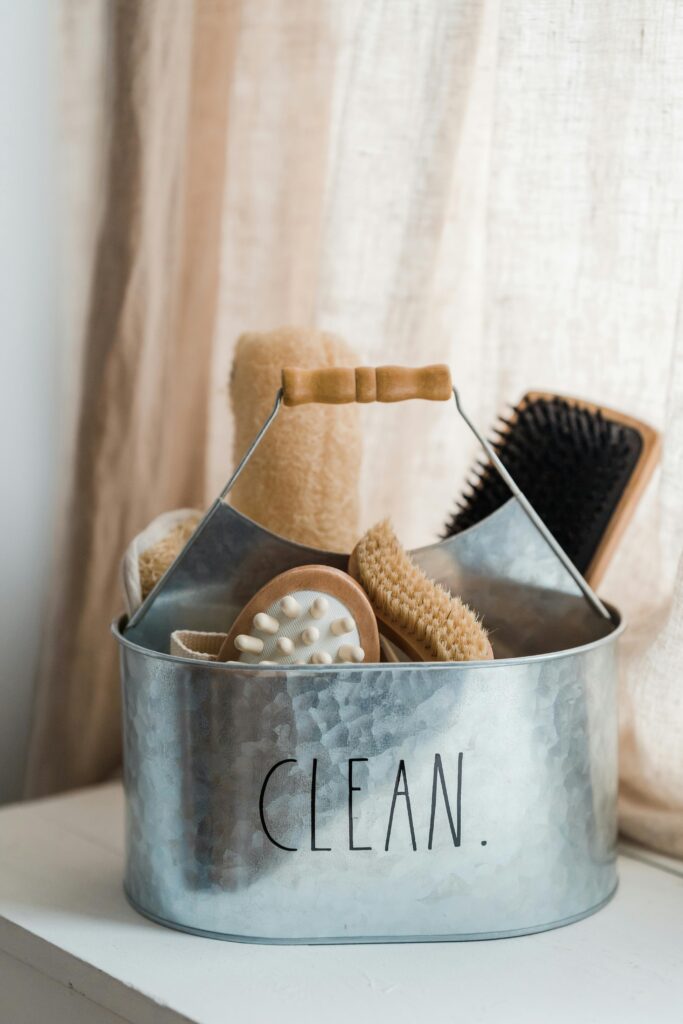
A portable cleaning caddy, a tote, or bucket with divided compartments that holds your cleaning supplies and tools, is the organizational backbone of an efficient home cleaning routine. Fill it with your spray bottles, microfiber cloths, scrub brushes, and small tools for the specific area you’re cleaning, carry it from room to room, and have everything you need immediately accessible without multiple trips back to the supply cupboard. Keep a caddy stocked for bathrooms, one for the kitchen, and a general-purpose caddy for living areas and bedrooms.
Under-Sink Storage
The space under kitchen and bathroom sinks is the natural home for cleaning supplies and smaller tools. Add a tension rod across the interior of the cabinet to hang spray bottles, freeing up shelf space for tools and supplies. Use small baskets or bins to group related items, all bathroom cleaning supplies together, all kitchen supplies together. A turntable or lazy Susan makes accessing items at the back of deep under-sink cabinets dramatically easier without having to remove everything at the front.
Wall-Mounted Storage for Long-Handled Tools
Mops, brooms, brushes, and other long-handled cleaning tools should never be stored leaning against a wall, the bristles or mop heads compress and distort under the weight, reducing their effectiveness and shortening their lifespan. Wall-mounted storage strips with adjustable clips or hooks hold long-handled tools vertically off the floor, keeping them organized, accessible, and in correct condition. These systems mount easily in utility rooms, garages, or any dedicated cleaning storage space and make a significant difference in both organization and tool longevity.
Tool Replacement Schedule
Even quality cleaning tools have finite lifespans and need replacement when they’re no longer performing effectively. General guidance: Microfiber cloths last 200 to 500 washes before the fibers degrade, typically 1 to 2 years with regular washing. Scrub brush heads should be replaced every 1 to 3 months, depending on use. Toilet brushes should be replaced every 3 to 6 months. Vacuum filters need replacement every 6 to 12 months. Mop pads last 6 months to a year with regular washing. Building replacement reminders into your phone calendar means you’re never cleaning with tools past their effective lifespan without realizing it.
Conclusion
Building the right collection of cleaning tools for your home is genuinely one of the highest-impact investments you can make in how you manage your living space. The right tools don’t just make cleaning faster, they make it more effective, more hygienic, less physically demanding, and frankly more satisfying as a daily habit. When your cleaning toolkit works with you rather than against you, the whole relationship you have with maintaining your home changes for the better.
Start with the essentials. Quality microfiber cloths in multiple colors. A flat microfiber mop. A reliable vacuum with HEPA filtration. Dedicated scrub brushes for bathrooms, kitchens, and tile grout. A squeegee for showers and windows. A set of clearly labeled spray bottles. These fundamentals, applied consistently, produce results that far exceed what most people achieve with expensive cleaning products and poor tools.
Build from there as your needs and budget allow. A robot vacuum for effortless daily floor maintenance. An electric scrubber for bathroom deep cleaning. A steam cleaner for chemical-free sanitizing. A professional squeegee for genuinely streak-free windows. Every smart upgrade you make compounds into a home that stays cleaner with less effort and a cleaning routine that feels sustainable rather than overwhelming.
Your home deserves the right tools, and so does the time and energy you invest in keeping it clean. Start building your ultimate home cleaning toolkit today, and experience firsthand the difference that working smarter genuinely makes. The results will speak for themselves!