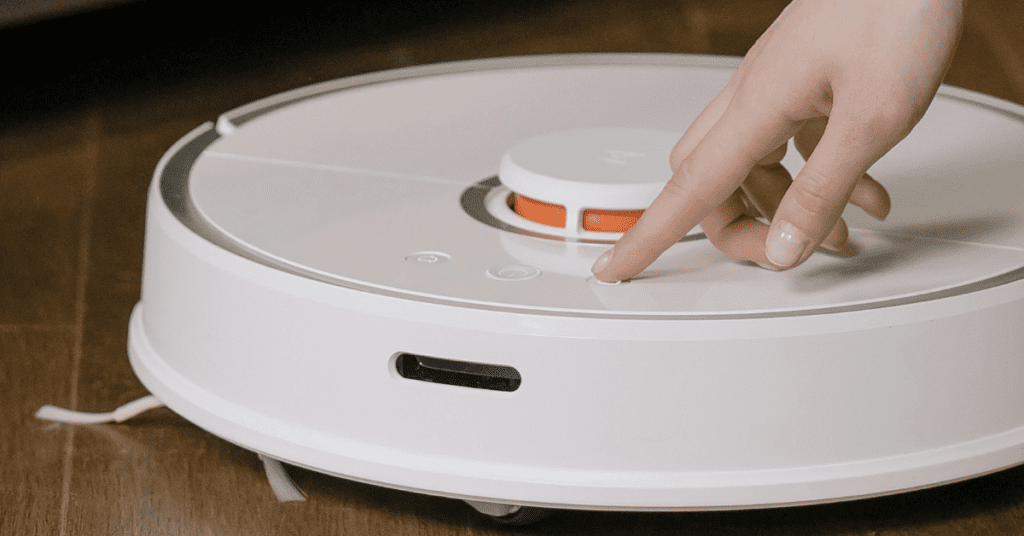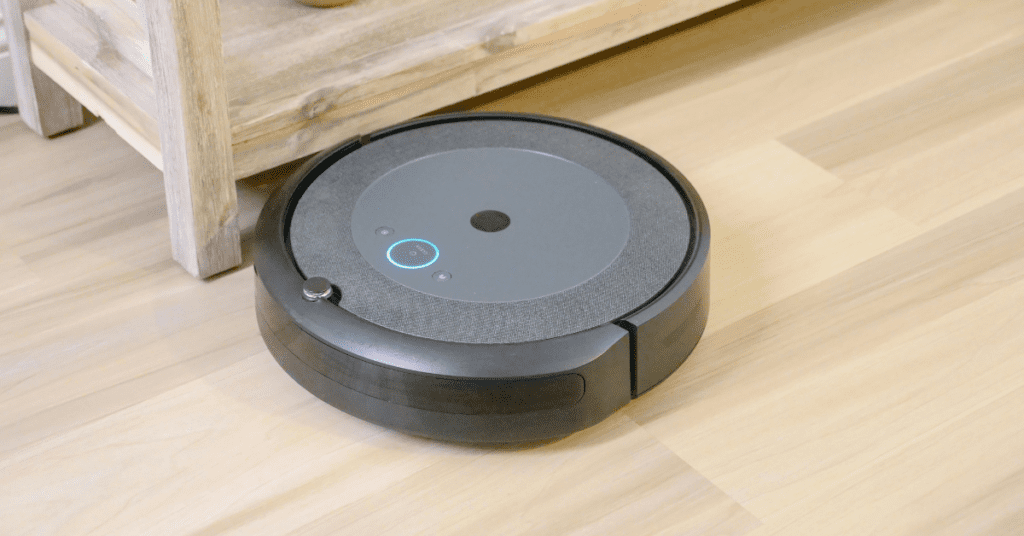
The desire to hide a robot vacuum is one of the most searched topics in the robot vacuum owner community, and for good reason. According to interior design surveys, smart home technology visibility is one of the top aesthetic concerns for homeowners in 2026. We want the benefits of automation without the visual disruption of visible technology cluttering our living spaces. And the good news? There are more creative, practical, and genuinely beautiful solutions for hiding a robot vacuum than most people realize.
Whether you want to completely conceal your robot vacuum and its dock from view, integrate it seamlessly into your existing furniture, or build a dedicated hidden charging station that looks like it was always part of your home’s design, this complete guide covers every option available. Let’s make that robot vacuum disappear, without losing a single bit of its cleaning performance!
Why Hiding Your Robot Vacuum Is Worth the Effort
Before diving into the specific solutions, it’s worth understanding why this matters, because the benefits of a properly hidden robot vacuum go well beyond simply making your room look better.
The Aesthetic Reality
Robot vacuum docks and base stations are designed by engineers with function as the primary consideration and aesthetics as a secondary one. The result is a range of products that work brilliantly but look distinctly like the consumer electronics appliances they are, plastic housings in black or white, indicator lights that blink at inopportune moments, and, in the case of auto-empty base stations, dimensions that rival a small waste bin or kitchen appliance.
In a carefully decorated living room, hallway, or kitchen, an exposed robot vacuum dock introduces visual noise that interrupts the design coherence of the space. It draws the eye precisely because it doesn’t belong in the visual language of the room around it. The impact on the overall feel of a space is more significant than most people expect until they actually remove it from view and experience the difference. A room without a visible robot vacuum dock simply looks more considered, more intentional, and more finished.
The Performance Benefits of Proper Concealment
This surprises most people: hiding your robot vacuum correctly actually improves its cleaning performance. A dock that’s properly positioned within a purposeful, stable furniture solution, with the required clearance maintained, on a flat hard surface, with no ad-hoc obstacles around it, docks more reliably and charges more consistently than one placed haphazardly in whatever corner was convenient. Dust accumulation on the charging contacts, which happens more rapidly when the dock sits exposed on the floor, causes unreliable charging connections that well-designed concealment solutions naturally prevent.
The stability of the dock position also matters. A dock that gets nudged, moved for cleaning, or shifted by passing furniture benefits enormously from being anchored within a furniture piece that gives it a permanent, protected position.
Practical Benefits Beyond Appearance
A well-designed robot vacuum hiding solution delivers a range of practical benefits alongside the aesthetic improvement. Cord management, routing the power cable invisibly from the dock to the outlet, eliminates a tripping hazard and removes a significant source of visual untidiness. If the hiding solution incorporates storage for accessories, spare filters, and replacement brush rolls, it also includes cleaning. It creates a complete robot vacuum maintenance station that keeps everything needed in one organized, accessible location. And the dust protection that comes from a partially enclosed dock position keeps the charging contacts and sensors cleaner between maintenance sessions.
The Social Media and Interior Design Trend
The robot vacuum hiding trend has become a genuine interior design phenomenon. Pinterest boards dedicated to robot vacuum concealment solutions attract millions of saves. Reddit threads on r/roomba and r/homeimprovement generate thousands of comments sharing hiding solutions. Interior designers increasingly factor robot vacuum dock placement into room design from the initial planning stage rather than treating it as an afterthought. This mainstream recognition reflects a broader shift in how we think about smart home technology, not as intrusions into our living spaces but as integrated elements that deserve thoughtful design consideration.

What You Need to Know Before Hiding Your Robot Vacuum
Before you buy furniture, start a DIY project, or rearrange your room, understanding these fundamentals ensures your hiding solution works perfectly rather than creating frustrating performance problems.
Clearance Requirements: The Non-Negotiable Foundation
Every robot vacuum manufacturer specifies minimum clearance requirements around the dock, and these requirements exist for genuine functional reasons, not as conservative guidelines you can push against. The robot vacuum uses infrared sensors, laser signals, or visual markers to locate and align with its dock during the return-to-home sequence. Any obstruction within the clearance zone interferes with this process and causes failed docking attempts, frustrated wandering, and eventually a robot vacuum with a dead battery sitting somewhere on your floor.
As a general rule, most standard robot vacuums require a minimum of 18 inches of clear space directly in front of the dock and approximately 6 inches of clear space on each side. Some premium models with more sophisticated navigation systems have slightly reduced clearance requirements. Always check your specific model’s manual for the exact specifications before planning any concealment design.
The critical design implication is this: no robot vacuum hiding solution can fully enclose the dock. The front of the dock must remain permanently open with the required clearance zone maintained. This single constraint shapes every viable hiding design, three-sided enclosures, under-furniture solutions, and partial concealment approaches all work within this constraint, while fully enclosed cabinet solutions do not.
Measuring Your Dock Before Planning Anything
Robot vacuum docks vary enormously in size between different brands and models, and this variation has huge implications for what furniture and concealment solutions will work. A basic charging-only dock for a standard robot vacuum might measure just 5 inches wide, 5 inches deep, and 3.5 inches tall. An all-in-one auto-empty and self-wash base station, like those used with the Roborock S8 Pro Ultra or Ecovacs Deebot X2 Omni, can measure 12 to 15 inches wide, 15 to 18 inches deep, and 16 to 18 inches tall.
Before planning or purchasing any concealment solution, measure your dock’s exact dimensions, width, depth, and height. And write them down. Add the required clearance measurements to determine the total footprint your hiding solution needs to accommodate. These numbers are the specifications your furniture search or DIY build must meet, and there’s no substitute for having them precisely before you begin.
Power Access Planning
The power cord connecting your robot vacuum dock to the wall outlet is one of the most significant visual challenges in any hiding solution, and planning for it before you commit to a position and solution saves significant frustration. The ideal scenario is a wall outlet positioned directly behind the planned dock location at the floor or baseboard level, the cord connects directly and disappears entirely within the hiding solution. If an existing outlet is conveniently located, plan your dock position around it.
If no convenient outlet exists, a recessed in-wall outlet installed at dock level by an electrician is a worthwhile investment for a truly permanent, high-quality installation. The alternative, routing the cord along the baseboard to a distant outlet using a cable raceway, is perfectly effective and significantly less expensive, but requires the raceway to be painted to match your baseboard for a truly invisible result.
Floor Type and Dock Position Stability
Your robot vacuum dock needs to sit on a hard, flat surface for the most reliable docking performance. If your chosen hiding location is on carpet, a thin, rigid mat placed under the dock within the furniture piece provides the flat, hard surface needed. Ensure that any mat doesn’t raise the dock height significantly above the surrounding carpet level. Height differences between the dock surface and the surrounding floor can cause the robot vacuum to struggle with the transition when approaching the dock.
The Best Furniture Solutions for Hiding Your Robot Vacuum
Ready-made furniture solutions represent the most accessible and immediately implementable approach to hiding a robot vacuum. No tools, no building skills, just thoughtful furniture selection and positioning.
Side Tables and End Tables With Open Lower Shelves
This is the most popular robot vacuum hiding solution, and it works beautifully across virtually every interior style. A side table or end table with an open lower shelf, positioned so the shelf opening faces into the room, provides a natural enclosure for the robot vacuum dock while adding genuinely useful surface space above. The dock sits on the shelf, the robot approaches from the front of the table, and from most viewing angles in the room, the dock is completely invisible.
The IKEA LACK side table has achieved legendary status in the robot vacuum community for this application. At under $30, it has the precise proportions needed, the lower shelf sits at approximately the right height for most standard robot vacuum docks, the legs provide natural side clearance, and the simple design suits virtually every interior aesthetic. It’s not purpose-built for robot vacuums, but it works so effectively that it has developed its own community of modifications and enhancements online.
For more premium options, West Elm, CB2, Article, and IKEA’s higher-end ranges all offer side tables with open lower shelves in various wood tones, metal finishes, and design styles. When evaluating any side table as a potential robot vacuum hiding solution, check the lower shelf height against your dock’s height, ensure the shelf opening faces into the room with the required clearance zone maintained, and verify there’s a practical path for the power cord from the dock to the nearest outlet.
Console Tables
A console table positioned against a wall with the robot vacuum dock stored underneath is a particularly elegant solution for hallways, entryways, and living rooms. The table adds a decorative surface above, for a lamp, plants, keys, artwork, or decorative objects, while the dock sits neatly in the space beneath, completely concealed from normal sightlines. The visual result is a purposeful piece of furniture with what appears to be space beneath it, the dock is invisible unless you specifically look for it.
Console tables work best for this application when they have open legs rather than a solid base, providing natural front clearance for the robot to approach the dock. Look for tables where the leg clearance height is at least an inch or two greater than your dock’s height, and position the dock toward the back of the table’s footprint with the dock facing outward toward the open floor.
TV Stands and Media Consoles With Kick Plate Openings
In living rooms where the robot vacuum operates primarily on the main floor, a TV stand or media console with a kick plate opening. A channel at the base of the unit between the legs can serve as an excellent robot vacuum hiding solution. The dock sits inside the lower section of the console, the robot vacuum enters and exits through the kick plate opening, and from outside the unit, the dock is completely invisible.
This approach requires careful measurement. The kick plate opening must be tall enough for your specific robot vacuum model to pass through reliably, typically a minimum of 3.5 to 4 inches for standard models and more for taller models. The dock should face outward toward the kick plate opening, with its clearance zone maintained in the space immediately in front of the opening. This is one of the most seamless hiding solutions available for living rooms because it integrates the robot vacuum into a piece of furniture that’s already a natural part of the room.
Purpose-Built Robot Vacuum Furniture
The growing awareness of robot vacuum hiding as a genuine need has created a market for furniture specifically designed to accommodate robot vacuum docks. These pieces, typically side tables or console units, feature an integrated lower compartment with dimensions and clearance specifications designed around common robot vacuum dock sizes. Some include built-in cable management channels, and some include additional storage compartments for robot vacuum accessories.
Roborock, iRobot, and Ecovacs have all either released or partnered with furniture brands to produce matching furniture accessories for their premium models. For a more accessible purpose-built option, searching “robot vacuum side table” on Amazon, Etsy, or Wayfair returns a growing selection of specifically designed pieces across a range of price points and styles.
DIY Ways to Hide Your Robot Vacuum Like a Pro
For those who want a truly custom solution, or simply enjoy the satisfaction of building something perfectly suited to their specific space. These DIY approaches produce results that rival or exceed ready-made options.
Building a Custom Wooden Robot Vacuum Nook
The most fundamental DIY robot vacuum hiding solution is a three-sided wooden box, two sides and a back, open at the front and the top, sized precisely to your dock’s dimensions with the required clearance built in. This nook sits against the wall with the open front facing into the room, enclosing the dock on three sides while leaving the approach path completely unobstructed.
For materials, half-inch MDF is ideal, easy to cut, paint, and finish to a professional standard. Cut three panels to your measurements, join with wood glue and finishing nails or pocket screws, sand smooth, fill any nail holes or gaps with wood filler, and paint. The key to an invisible result is painting the nook to exactly match your baseboard or wall color. A nook painted white to match white baseboards and positioned at baseboard level becomes essentially invisible against the room’s architecture.
For the most refined finish, apply a strip of matching baseboard molding along the top front edge of the nook. This single detail transforms the nook from a painted box into something that reads as a genuine architectural element, an intentional recess built into the wall rather than a piece of added furniture.
The Kitchen Cabinet Kick Plate Hack
This is one of the most satisfying robot vacuum hiding solutions available. It creates a completely hidden dock that looks entirely intentional, as if the robot vacuum was always meant to live there. Remove the kick plate panel at the base of an existing kitchen cabinet, pantry unit, or any built-in cabinet run, and use the cavity behind it to house the robot vacuum dock.
Measure the kick plate opening carefully, height, width, and depth of the cavity behind it. Most standard kitchen cabinet kick plate cavities are 3.5 to 4 inches tall and 3 to 4 inches deep. This is sufficient for low-profile robot vacuum models but may require modification for taller docks or larger base stations. Run the power cord through a small hole drilled in the base of the adjacent cabinet to an outlet inside the cabinet above, or route it along the inside of the kick plate cavity to a nearby outlet. The result is a dock that is completely hidden, perfectly protected, and utterly invisible, accessible only to the robot itself.
Creating a Built-In Alcove
For the most architecturally integrated robot vacuum hiding solution, building a dedicated alcove into existing cabinetry, an under-stair storage area, or a purpose-built wall recess creates a result that looks completely designed-in from the beginning. Under-stair storage areas are particularly well-suited. The awkwardly angled spaces at the lower end of under-stair storage create voids that are difficult to use for other purposes but perfectly sized for a robot vacuum dock.
If you’re having any cabinetry built or modified, a kitchen renovation, new built-in bookshelves, or a custom media wall. Adding a robot vacuum recess to the design is a relatively minor addition in terms of construction cost but produces a permanently integrated solution that outperforms any retrofit option.
The Baseboard-Level MDF Enclosure
For the most invisible possible hiding solution without built-in construction, a low-profile MDF enclosure built to exactly match your existing baseboard height and painted in a precise baseboard color match reads as part of the room’s architecture rather than as furniture or added storage. Cut MDF panels to create a three-sided box at precisely the height of your existing baseboard. Apply matching baseboard molding along the top front edge. Paint with an exact color match to your existing baseboards, take a paint chip or have the color matched at the hardware store.
The result is a robot vacuum enclosure that is genuinely indistinguishable from the room’s baseboard profile to anyone who doesn’t know to look for it. The dock sits inside, the robot vacuum enters and exits from the open front, and the whole installation reads as a subtle architectural detail rather than a storage solution.
Adding Doors and Panels
If you want your robot vacuum completely out of sight when not in use, adding a hinged or magnetic door panel to any DIY enclosure is possible, with the important caveat that the door must open fully and remain open during cleaning sessions. A door that swings to the side rather than forward into the dock’s clearance zone works well, with a magnetic catch that holds it open during operation. For fully automated door operation, motorized panel systems triggered by the robot vacuum’s cleaning schedule are available for more ambitious builds, a genuinely satisfying solution that completes the hidden, fully autonomous experience.
Creative Ways to Hide Your Robot Vacuum Without Furniture or DIY
Not every hiding solution requires furniture shopping or tool time. These creative approaches use what you already have or simple additions that require no construction.
Decorative Baskets and Storage Ottomans
A large woven basket or storage ottoman positioned with the robot vacuum dock stored beside or partially behind it can significantly reduce the visibility of the dock without fully concealing it. This approach works best when the basket or ottoman is a natural part of the room’s existing arrangement rather than an obviously placed object serving as a screen. The goal is to make the dock an unremarkable background detail rather than a focal point, reducing its visual impact even if it remains technically visible.
For a more complete concealment, a specifically positioned storage ottoman with a hinged lid creates a natural furniture grouping with the dock stored in the space between the ottoman’s base and the adjacent wall. Invisible from most room sightlines and naturally integrated into the furniture arrangement.
Strategic Plant Placement
A well-placed floor plant, a large potted fiddle leaf fig, a snake plant in a substantial pot, a tall ornamental grass positioned to one side of the robot vacuum dock create a natural visual screen that draws the eye to the plant rather than the technology behind it. This approach works with the room’s existing design language rather than against it, adding a natural decorative element while solving the hiding challenge.
The key is scale. The plant needs to be substantial enough to genuinely reduce the dock’s visibility without looking like it was placed specifically to cover something. A plant that’s clearly too large or awkwardly positioned for the space raises more questions than a visible dock. When the plant is the right size for the space, and the dock is a background detail behind it, the result is genuinely effective.
Room Dividers and Decorative Screens
A folding decorative screen or room divider positioned to create a partial separation between the robot vacuum dock area and the main room creates a natural visual boundary that conceals the dock without requiring any permanent modification to the space. This approach is particularly effective in open-plan living areas where a decorative screen also adds visual interest and spatial definition. Choose a screen with a design and material that suits your existing decor. Woven bamboo, rattan panels, painted wood, or metal lattice screens all work beautifully, depending on the room’s aesthetic.
Corner Concealment
Corners in most rooms are underutilized and naturally less observed than wall centers and room focal points. A robot vacuum dock positioned diagonally in a corner, facing outward toward the room with its clearance zone maintained, is far less visually prominent than the same dock positioned on a flat wall. Flanking the dock with a small plant or decorative item on each side creates a vignette that makes the dock’s presence feel intentional rather than incidental.
Visual Distraction
Sometimes the most effective hiding strategy isn’t concealing the dock but making it visually unremarkable. Position the dock in a lower-attention area of the room, along a side wall rather than the main feature wall, beside a bookcase rather than in the open center of the room. Create visual interest elsewhere in the room, an eye-catching piece of art, a well-styled shelf, a statement plant that draws attention away from the dock’s location. Coordinate the dock’s color with the surrounding wall and baseboard as closely as possible. A white dock against white baseboards and a white wall virtually disappears without any modification at all.
How to Hide Robot Vacuum Cords and Power Cables Completely
A robot vacuum hiding solution that conceals the dock beautifully but leaves the power cord trailing visibly across the baseboard defeats much of its own purpose. Cord management is the finishing detail that elevates a good hiding solution to a great one.
Cable Raceways and Cord Covers
The most accessible cord management solution, cable raceways are flat-profile plastic channels that adhere to baseboards and walls and route cords neatly inside a closed enclosure. The D-Line range is consistently the highest rated for quality, finish, and range of sizes. Available in white, black, and wood grain finishes to match different baseboard styles. Choose a raceway color as close to your baseboard color as possible, route the cord from the dock along the baseboard to the nearest outlet, and secure with the included adhesive strips.
For the most invisible result, paint the installed raceway after installation with an exact match to your baseboard color. A painted raceway that matches the baseboard profile reads as part of the room’s architecture. At the low sightline where robot vacuum cords typically run, a well-matched and painted raceway is essentially invisible.
The Recessed In-Wall Outlet
The definitive cord management solution for a permanently installed robot vacuum hiding setup is a power outlet installed directly behind the dock position at floor level. A licensed electrician can install a recessed outlet, the type designed for flush-mounted television wall mounting, at the precise height and location behind your robot vacuum furniture or enclosure. The dock’s cord plugs directly in, entirely within the furniture or enclosure, and from outside the installation, no cord is visible whatsoever.
For a permanent hiding installation, particularly a built-in nook or cabinet modification, this is the solution worth investing in. The cost of a single outlet installation by an electrician is modest in the context of a well-executed room design project, and the result is a genuinely finished, professional-looking installation.
Routing Cords Through Furniture
For robot vacuum hiding solutions that use solid furniture pieces. Side tables, console tables, purpose-built units, and routing the power cord through a small drilled hole in the furniture structure are a clean and effective alternative to baseboard cord routing. Drill a hole in the back panel of the furniture piece at the appropriate height, route the cord through the hole, and the transition from visible cord to hidden cord occurs within the furniture structure. Apply a decorative cable grommet to the drilled hole for a finished appearance.
Furniture Leg Routing
For side tables and console tables with solid legs, the power cord can be routed neatly up the inside face of the table leg from the dock to the tabletop level, then along the underside of the table surface to the back, where it exits discreetly near the wall. Use small adhesive cable clips to hold the cord flat against the leg and table surface. At the low sightlines where this routing occurs, the result is a nearly invisible cord path that requires no drilling or modification to the furniture.
How to Hide Robot Vacuum in Every Room of Your Home
Living Room
The living room is the most common robot vacuum hiding location and the room where the aesthetic impact of a visible dock is typically greatest. A side table flanking the sofa with the dock stored beneath the lower shelf is the most seamlessly integrated option. The table is a natural element of the furniture arrangement, and the dock is invisible from normal seated sightlines. A media console with a kick plate opening is an equally excellent option, keeping the dock completely hidden within the console structure.
For open-plan living spaces, a console table or sideboard positioned at the transition between living and dining zones provides central access to both areas while placing the dock in a natural furniture location. Style the surface above generously, a table lamp, a plant, books, and decorative objects, to create a purposeful vignette that makes the table look intentionally placed rather than positioned primarily to hide something.
Kitchen
The kitchen offers one of the most elegant robot vacuum hiding opportunities available through the kick plate hack. The cavity at the base of standard kitchen cabinets is sized precisely for many low-profile robot vacuum docks, and a properly executed kick plate installation creates a hiding solution that looks professionally designed rather than retrofitted. For kitchens where the robot vacuum is the primary floor cleaning tool, positioning the dock in the kick plate directly serves the primary cleaning zone efficiently.
Under a kitchen island, where the island has an enclosed base rather than open legs, is another excellent kitchen hiding location. The island’s substantial footprint almost always accommodates the dock with its clearance requirements met, and the dock can face outward toward the main kitchen floor area for maximum cleaning efficiency.
Hallway and Entryway
Hallway and entryway hiding solutions need to balance concealment with the practical constraint that these spaces are often narrow. A slim console table against the hallway wall with the dock stored beneath is the most space-efficient furniture solution for narrow hallways. For wider entryways, a purpose-built nook beside the front door, a small recess in the wall, or a fitted cabinet section creates a dedicated robot vacuum station that contributes to the entryway’s overall organization aesthetic.
Bedroom
Bedroom hiding solutions benefit from being discreet, low-profile, and positioned to avoid any visual intrusion into the calming atmosphere most bedrooms aim for. A bedside table with an open lower shelf is the most natural bedroom hiding solution. The dock sits beneath the nightstand surface, the robot cleans the bedroom floor on its scheduled cycle, and the entire setup is completely unobtrusive. Position the dock beside the nightstand closest to the room’s power outlet for the most convenient cord routing.
Utility Room and Laundry Room
For larger auto-empty base stations with significant footprints, the utility room or laundry room is often the most practical hiding solution. The robot cleans the adjacent living areas and returns to its base through a door left open during cleaning sessions, while the base station lives permanently in the utility space, where size and aesthetics are less constrained. A simple dedicated shelf or open cabinet unit in the utility room creates a neat, organized robot vacuum station without any aesthetic tension with the rest of the home.
How to Hide Robot Vacuum in Small Spaces and Apartments
Under-Sofa Storage
In small living spaces where floor area is precious, the space under the sofa is one of the most effective zero-footprint hiding locations available. Most sofas have between 4 and 8 inches of clearance between the bottom of the frame and the floor, enough to accommodate most standard robot vacuum docks with the robot stored in the docked position. Measure the clearance under your specific sofa carefully, compare it to your dock’s height plus the docked robot’s height, and if the numbers work, the dock simply slides under the sofa, facing outward with its clearance zone maintained in the open floor space in front.
This approach is completely invisible from normal room sightlines and uses space that is otherwise entirely wasted. It requires no furniture purchase, no construction, and no modification to the existing room arrangement, just a dock placed under the sofa and a power cord routed to the nearest outlet.
Under-Bed Solutions
Platform beds and beds on raised legs with sufficient clearance create the same opportunity as under-sofa storage. A dock stored under the bed is completely invisible from anywhere in the room and serves the bedroom floor cleaning function perfectly. Measure clearance carefully. The dock and docked robot must fit with a comfortable margin, and the robot needs to be able to approach and depart the dock without snagging on the bed frame.
Renter-Friendly Solutions
Renters who can’t drill holes, modify walls, or make permanent changes have excellent non-invasive options. The IKEA LACK table modification requires no permanent installation. Cable raceways with adhesive rather than screw mounting are removable without wall damage. Furniture repositioned to create dock concealment requires no modification whatsoever. Decorative baskets and plant-based concealment strategies are fully removable. The vast majority of the solutions in this guide are completely renter-friendly when implemented with non-permanent methods. The constraint of no permanent modifications is far less limiting than most apartment dwellers initially assume.
Multi-Functional Furniture
In small apartments where every piece of furniture must earn its place, furniture that solves multiple problems simultaneously is especially valuable. A storage ottoman that serves as extra seating, a coffee table with a lower shelf, a bookcase with a bottom section that accommodates the dock, a console table that also serves as a desk, each of these multi-functional pieces hides the robot vacuum dock as one of several functions, rather than being purchased solely for that purpose.
Conclusion
Hiding your robot vacuum isn’t just about making your home look better. Though it absolutely and immediately does that. It’s about integrating smart home technology into your living space in a way that feels intentional, designed, and completely seamless. When your robot vacuum has a dedicated home that works with your interior design rather than against it, the whole experience of owning one improves. Aesthetically, practically, and functionally.
The perfect hiding solution exists for every space, every robot vacuum model, every budget, and every design sensibility. A beautifully simple IKEA side table hack. A custom DIY baseboard nook that disappears into the wall architecture. A purpose-built furniture piece that elevates the whole room. A clever under-sofa arrangement that uses space that was otherwise wasted. A kick plate installation in the kitchen that makes the dock truly invisible. Every approach in this guide works. The right one for you depends on your specific space, your robot vacuum, and how much effort and investment you want to make.
Start today. Measure your dock. Calculate your clearance requirements. Choose one idea from this guide that fits your space and your aesthetic. Implement it this weekend. The combination of a robot vacuum that cleans your floors automatically and a hiding solution that makes it invisible is genuinely one of the most satisfying smart home upgrades available, and it’s more achievable than most people realize before they actually try it.
Your home will look better. Your robot vacuum will perform better. And you’ll finally have the seamless, technology-integrated living space you’ve been working toward. Now go make that robot vacuum disappear!