Let’s be honest, keeping a clean home can feel like a never-ending battle. You clean the kitchen, and suddenly the bathroom needs attention. You tackle the living room, and the bedroom closet has somehow exploded overnight. This is what happens in my experience, and probably you recognize this as well.
Here’s a stat that might make you feel better: according to a survey by the American Cleaning Institute, the average American spends 6 hours per week cleaning their home, yet most still don’t feel like it’s clean enough. The good news? It doesn’t have to be that way!
With the right strategies, routines, and a few clever tricks up your sleeve, maintaining a clean and organized home becomes so much easier. In this guide, I’m sharing 50 of the best home cleaning tips, from fast daily habits to deep cleaning techniques, so you can spend less time scrubbing and more time enjoying your space. Let’s dive in!
Daily Home Cleaning Tips to Stay on Top of the Mess
The secret to a consistently clean home isn’t one massive cleaning marathon on the weekend. It’s small, daily habits that prevent mess from building up in the first place. Here are the daily cleaning tips that make the biggest difference.
Tip 1: Try the “10-Minute Tidy” Every Evening. Set a timer for 10 minutes before bed and do a quick sweep of your home. Put things back where they belong, wipe down surfaces, and deal with any clutter that’s accumulated throughout the day. You’ll wake up to a much calmer, cleaner space. And that sets a positive tone for the whole day.
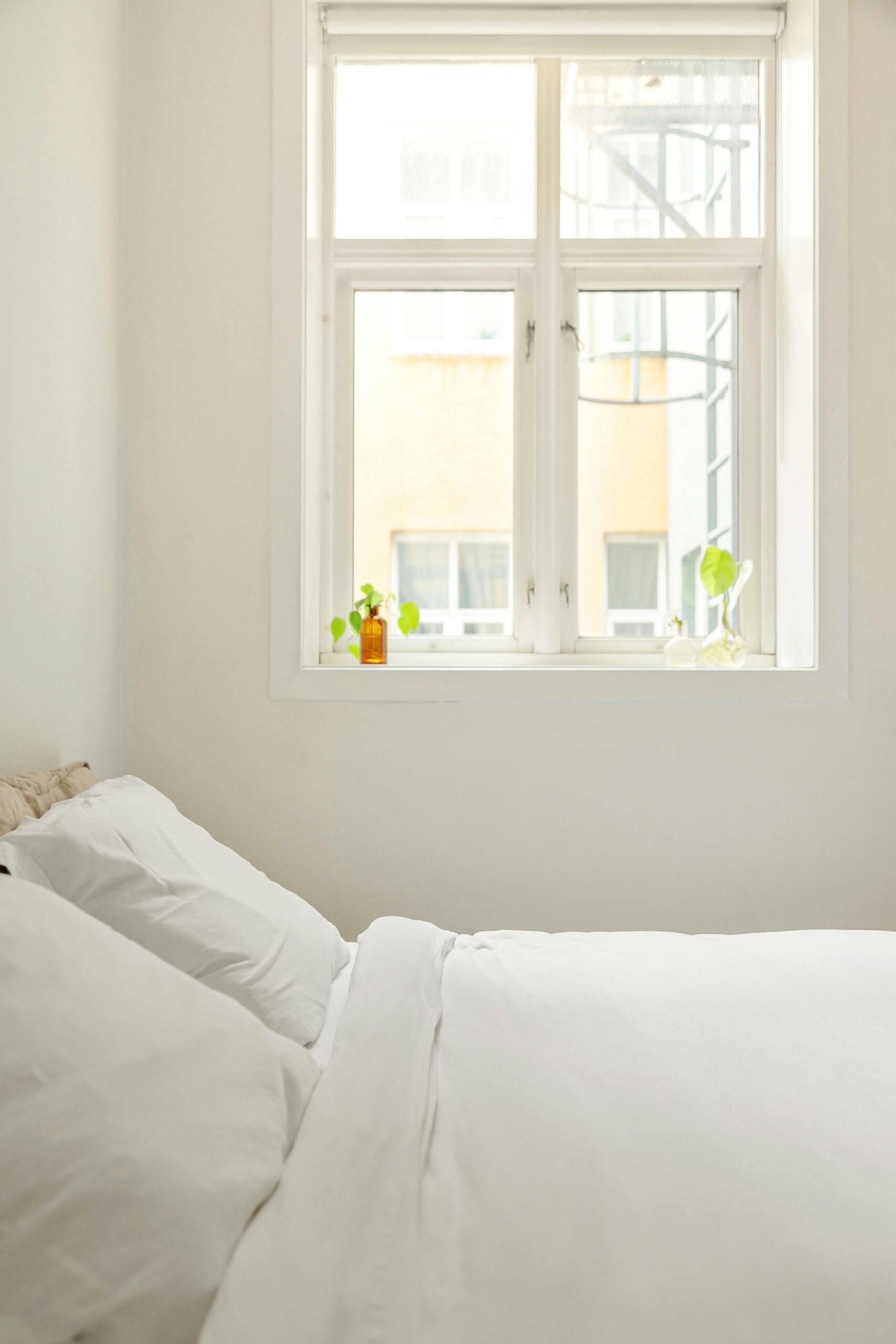
Tip 2: Make Your Bed Every Morning. It sounds almost too simple, but making your bed each morning has a surprisingly powerful ripple effect. It instantly makes your bedroom look tidier, and the sense of accomplishment it gives you tends to motivate you to keep the rest of the space clean too.
Tip 3: Wipe Down Kitchen Surfaces After Every Use. The kitchen is the room that gets dirtiest the fastest. After cooking or preparing food, take two minutes to wipe down the countertops, stovetop, and sink. This prevents grease and grime from building up and makes your weekly cleaning so much faster.
Tip 4: Do a Quick Bathroom Reset Daily. You don’t need to deep clean your bathroom every day, but a quick reset takes less than five minutes. Wipe the sink and faucet, straighten the towels, give the toilet a quick brush, and put away any products left out. Done!
Tip 5: Tackle One Load of Laundry Per Day. Laundry is one of those chores that can spiral completely out of control if you let it pile up. Doing one load per day (wash, dry, fold, and put away) keeps it totally manageable and means you’ll never face that dreaded laundry mountain again. I keep laundry simple, and I only do white laundry and colored laundry.
Tip 6: Deal With Dishes Immediately. Don’t let dishes sit in the sink. Rinse them and load them into the dishwasher right after use, or wash them by hand straight away. A sink full of dirty dishes makes the entire kitchen feel chaotic, even if everything else is clean.
Tip 7: Use the “Don’t Put It Down, Put It Away” Rule. This is a mindset shift as much as a cleaning tip. Instead of setting something down temporarily with the intention of putting it away later, just put it away now. It takes the same amount of effort in the moment but saves enormous time and clutter in the long run.
Weekly Cleaning Routines That Actually Work
Daily habits keep things manageable, but a solid weekly cleaning routine is what keeps your home genuinely clean. The key is having a structured plan, so you’re not wandering from room to room without direction.
Tip 8: Clean Room by Room, Not Task by Task. Rather than dusting the entire house, then vacuuming the entire house, then wiping all surfaces, try focusing on one room at a time from top to bottom. It’s more mentally satisfying, easier to track your progress, and means you won’t miss anything.
Tip 9: Always Clean Top to Bottom. This is a rule professional cleaners swear by. Start with ceiling fans and high shelves, work your way down to furniture and surfaces, and finish with the floors. Dust and debris fall downward, so if you vacuum first and then dust, you’ll just have to vacuum again.
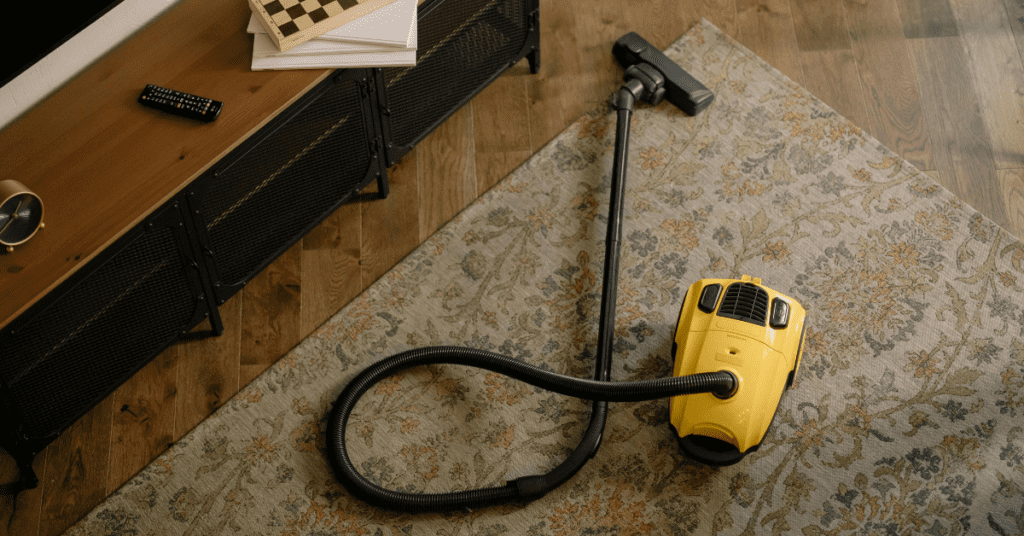
Tip 10: Vacuum High-Traffic Areas Twice a Week. Hallways, living rooms, and kitchens accumulate dirt and debris faster than other areas. If you have pets or kids, you may want to vacuum these spaces more than once a week to keep things under control. And if you don’t like handheld vacuuming at all, a robot vacuum is a great outcome. Check out the best robot vacuums here.

Tip 11: Mop Hard Floors Weekly. After vacuuming, mop hard floors with an appropriate cleaner for the floor type. A pH-neutral cleaner for hardwood, a stronger solution for tile. Wring your mop well to avoid leaving too much moisture, especially on wood floors.
Tip 12: Dust All Surfaces, Shelves, and Furniture. Use a microfiber cloth to dust furniture, shelves, picture frames, and electronics. Microfiber is far superior to feather dusters, which just move dust around rather than capturing it. Work from the highest points in the room downward.
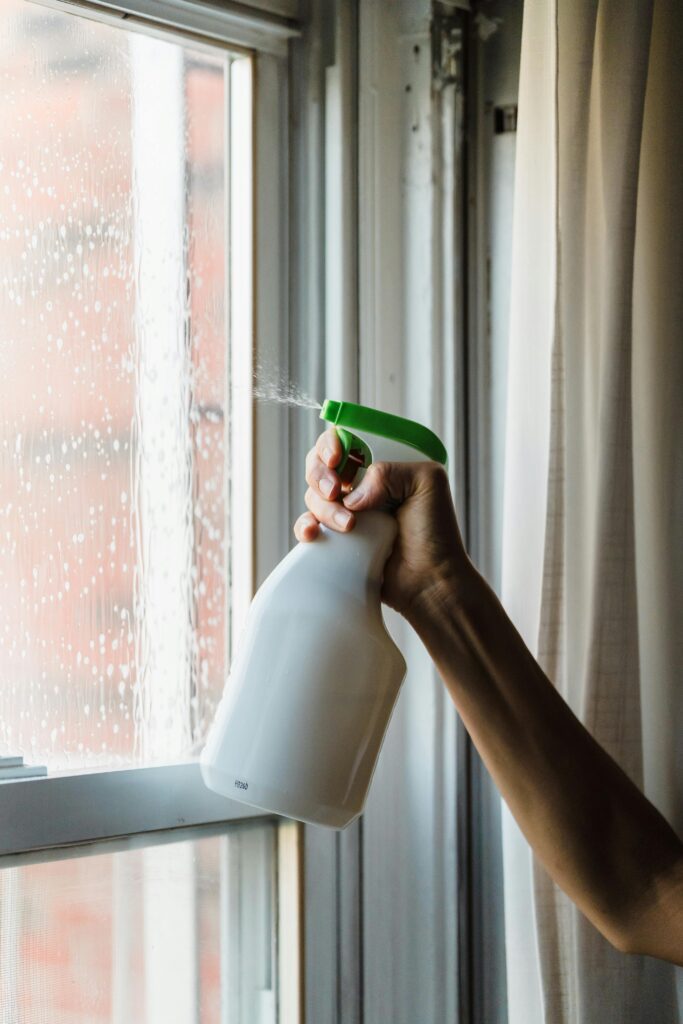
Tip 13: Clean Mirrors and Glass Streak-Free. Spray a small amount of glass cleaner onto a microfiber cloth (not directly onto the mirror) and wipe in a circular motion, then buff with a dry cloth. For a natural alternative, a solution of equal parts white vinegar and water works beautifully.
Tip 14: Change and Wash Bed Linens Weekly. Bedding accumulates sweat, dead skin cells, and dust mites surprisingly quickly. Washing your sheets and pillowcases once a week keeps your sleep environment fresh and hygienic, and there’s nothing better than lying down in clean sheets!
Tip 15: Sanitize High-Touch Surfaces. Door handles, light switches, remote controls, and phone screens are breeding grounds for bacteria and viruses. Make it a weekly habit to wipe these down with a disinfectant wipe or spray. During cold and flu season, do this more frequently.
Deep Cleaning Tips for Every Room in Your Home
Even with the best daily and weekly routines, every home needs a thorough deep clean periodically. Ideally, every one to three months. Here’s how to deep clean each room effectively.
Tip 16: Deep Clean Your Oven and Stovetop. Remove oven racks and soak them in hot, soapy water. Apply a baking soda paste to the interior of the oven, leave it overnight, and wipe it clean in the morning. For the stovetop, remove burner grates and soak them while you scrub the surface beneath.
Tip 17: Descale Your Kettle and Coffee Maker. Mineral deposits build up inside kettles and coffee machines over time. Fill your kettle halfway with equal parts white vinegar and water, bring to a boil, and leave for 30 minutes before rinsing thoroughly. Run the same solution through your coffee maker’s brew cycle.
Tip 18: Clean Inside Your Refrigerator. Remove all food and shelves, wipe down the interior with a solution of baking soda and warm water (which neutralizes odors), and clean the rubber door seals where mold loves to hide. Don’t forget to vacuum the coils at the back. Dusty coils make your fridge work harder and use more energy.
Tip 19: Scrub Bathroom Tile and Grout. Grout is notoriously difficult to keep clean. Make a paste of baking soda and hydrogen peroxide, apply it to the grout lines with an old toothbrush, leave for 10 minutes, and scrub. For stubborn mold, a diluted bleach solution works well. Just ensure the room is well ventilated.
Tip 20: Deep Clean Your Shower Head. Fill a plastic bag with white vinegar and secure it around the shower head with a rubber band so the head is submerged. Leave it overnight, remove it in the morning, and run the shower to flush out any loosened mineral deposits. Your water pressure will thank you!
Tip 21: Flip and Clean Your Mattress. Strip the bed completely and vacuum the mattress thoroughly, paying attention to seams and edges. Sprinkle baking soda generously over the surface, leave for several hours (or ideally overnight), then vacuum it off. This neutralizes odors and absorbs moisture. Flip or rotate the mattress to ensure even wear.
Tip 22: Clean Upholstered Furniture. Check the care label on your sofa or armchairs first. Most fabric upholstery can be freshened up by sprinkling baking soda over the surface, leaving it for 20 minutes, and then vacuuming it off. For stains, a mixture of dish soap, white vinegar, and warm water works well on most fabrics.
Tip 23: Wash Windows Inside and Out. Use a squeegee and a bucket of warm water with a few drops of dish soap for the outside of windows. For the inside, a vinegar-water solution and a microfiber cloth give a streak-free finish. Choose an overcast day; direct sunlight causes the cleaner to dry too quickly and leave streaks.
Tip 24: Clean Baseboards and Trim Baseboards collect an astonishing amount of dust and grime. Wipe them down with a damp microfiber cloth, then dry immediately. Once clean, rub a dryer sheet along the baseboard surface. It repels dust and keeps them cleaner for longer.
Tip 25: Declutter and Clean Inside Closets and Cabinets. Deep cleaning is the perfect time to pull everything out of closets and cabinets, wipe down the interior surfaces, and reassess what you actually need. Donate or discard what you no longer use. You’ll be amazed at how much space you actually have.
Natural and DIY Cleaning Solutions That Work
You don’t need a cabinet full of expensive, chemical-laden products to keep your home clean. Some of the most effective cleaning solutions can be made with ingredients you probably already have in your kitchen.
Tip 26: Make a Simple All-Purpose Cleaner. Combine one cup of white vinegar, one cup of water, and 15 drops of tea tree or lavender essential oil in a spray bottle. This works beautifully on countertops, sinks, and tile surfaces. Note: Avoid using vinegar on natural stone surfaces like marble or granite, as it can cause etching.
Tip 27: Use Baking Soda as a Gentle Scrub. Baking soda is mildly abrasive, making it perfect for scrubbing sinks, bathtubs, and stovetops without scratching surfaces. Sprinkle it on, add a little water to form a paste, scrub, and rinse clean.
Tip 28: Harness the Power of Lemon Juice. Lemon juice is a natural disinfectant, deodorizer, and brightener. Cut a lemon in half and rub it over a cutting board to remove odors and bacteria. Mix lemon juice with baking soda for a powerful sink scrub. Drop lemon peels into your garbage disposal and run it to eliminate the smell.
Tip 29: Use Hydrogen Peroxide as a Disinfectant. Three percent hydrogen peroxide, the kind you find at the pharmacy, is an effective disinfectant that kills bacteria, viruses, and mold. Spray it on surfaces, leave for a few minutes, and wipe clean. It’s particularly effective in bathrooms and kitchens.
Tip 30: Make a DIY Fabric Freshener. Combine one cup of water, one tablespoon of baking soda, and 10 drops of your favorite essential oil in a spray bottle. Shake well and spritz onto sofas, curtains, carpets, and bedding for an instant freshening effect without harsh chemicals.
Clever Cleaning Hacks to Save Time and Effort
Sometimes it’s not about working harder, it’s about working smarter. These clever cleaning hacks will save you serious time and effort.
Tip 31: Clean Ceiling Fans With a Pillowcase. Slide an old pillowcase over each ceiling fan blade and pull it back slowly, trapping all the dust inside rather than letting it fall onto your furniture and floors. It’s genuinely one of the most satisfying cleaning hacks you’ll ever try!
Tip 32: Use Kitchen Tongs to Clean Blinds. Wrap two microfiber cloths around the ends of the kitchen tongs and secure with rubber bands. Clamp the tongs around each slat of your blinds and slide along. You’ll clean both sides simultaneously in a fraction of the time.
Tip 33: Shine Stainless Steel With Baby Oil. After cleaning your stainless steel appliances, apply a small amount of baby oil to a cloth and buff in the direction of the grain. It removes streaks and fingerprints and leaves a protective coating that repels future smudges.
Tip 34: Remove Carpet Stains With Dish Soap and Hydrogen Peroxide. Mix one tablespoon of dish soap with one tablespoon of hydrogen peroxide. Apply to the stain, blot (never rub!) with a clean cloth, and repeat until the stain lifts. Always test in an inconspicuous area first, as hydrogen peroxide can lighten some carpet colors.
Tip 35: Use a Rubber Glove to Remove Pet Hair From Upholstery. Put on a damp rubber glove and run your hand across upholstered surfaces. The friction creates static electricity that pulls pet hair into easy-to-collect clumps. It works better than most lint rollers!
Tip 36: Clean Your Microwave With Steam. Place a bowl of water with a few slices of lemon or a splash of white vinegar in the microwave and heat on high for three minutes. The steam loosens all the stuck-on food splatters, making them easy to wipe away with a damp cloth. No scrubbing required!
Tip 37: Use a Squeegee on Carpet to Remove Hair. Run a rubber squeegee across your carpet before vacuuming. It pulls up embedded hair and lint that vacuums struggle to reach, making the vacuuming itself far more effective.
Tip 38: Line Your Fridge Shelves With Cling Film. Lay cling film on your fridge shelves after cleaning them. When spills happen, simply peel off the cling film and replace it. It sounds almost too easy, but it works!
Tip 39: Prevent Soap Scum With Rain Repellent. Apply a car windshield rain repellent product to your shower glass after cleaning it. It creates a hydrophobic barrier that causes water to bead and run off rather than leaving mineral deposits and soap scum. You’ll dramatically reduce how often you need to scrub the shower.
Tip 40: Clean Grout With a Power Drill and Brush Attachment. If you have a lot of grout to clean, attach a stiff-bristle brush to a power drill for a fraction of the manual effort. Apply your cleaning solution, set the drill to a low speed, and let the tool do the hard work.
Organization Tips to Make Cleaning Easier Long-Term
Here’s the truth: cleaning is always harder when your home is disorganized. Organization and cleaning go hand in hand, and investing in good organizational systems makes every future cleaning faster and easier.
Tip 41: Declutter Before You Organize. Before you buy a single storage basket or organizational product, declutter. Go through each room and be ruthless. If you haven’t used something in a year, you probably don’t need it. Donating, selling, or discarding items you no longer need is the single biggest thing you can do to make your home easier to keep clean.
Tip 42: Give Everything a “Home”. Every item in your house should have a designated place where it lives. When everything has a home, tidying up is simply a matter of returning things to where they belong. Without this system, clutter accumulates because there’s nowhere obvious to put things.
Tip 43: Use Clear Containers for Storage. Clear bins and containers in pantries, closets, and under sinks let you see exactly what you have at a glance. No more digging through opaque boxes or forgetting about items stored out of sight.
Tip 44: Apply the “One In, One Out” Rule. For every new item that enters your home, a new piece of clothing, a kitchen gadget, a decoration, one item must leave. This rule keeps clutter from gradually creeping back in over time and is particularly effective for wardrobes and kitchens.
Tip 45: Keep Cleaning Supplies in Every Room. Store a small caddy of basic cleaning supplies in the bathroom, kitchen, and any other high-traffic area. Having supplies immediately accessible removes the friction of going to get them, which means you’re much more likely to actually do the quick clean when it’s needed.
Cleaning Tips for Pet Owners and Allergy Sufferers
Living with pets or allergies requires a slightly more rigorous approach to cleaning. But with the right tools and habits, it’s absolutely manageable.
Tip 46: Invest in a High-Quality Vacuum With a HEPA Filter. For pet owners and allergy sufferers, not all vacuums are created equal. A vacuum with a true HEPA filter captures 99.97% of particles as small as 0.3 microns, including pet dander, dust mite debris, and pollen. It’s one of the best investments you can make for indoor air quality.
Tip 47: Wash Pet Bedding Weekly. Pet bedding harbors hair, dander, bacteria, and odor. Wash it at least once a week in hot water, which kills dust mites and bacteria effectively. Add a cup of white vinegar to the wash cycle for extra odor elimination.
Tip 48: Neutralize Pet Odors Naturally Sprinkle baking soda on carpets and upholstery, leave for at least 20 minutes (or overnight for strong odors), then vacuum thoroughly. For hard floors and surfaces, a white vinegar solution is excellent at eliminating odors rather than just masking them with fragrance.
Tip 49: Groom Your Pets Regularly. This might seem obvious, but regular brushing and grooming outside the home dramatically reduces the amount of hair and dander that ends up on your floors and furniture. A weekly brush session for dogs and cats can make a noticeable difference in how quickly your home gets dirty.
Eco-Friendly Cleaning Tips for a Greener Home
Cleaning your home doesn’t have to come at the cost of the environment. Making a few simple swaps can significantly reduce your household’s environmental footprint.
Tip 50: Switch to Reusable Cleaning Cloths. Ditch paper towels and single-use cleaning wipes in favor of washable microfiber cloths. Microfiber is more effective at trapping dirt and bacteria than disposable alternatives, and a single cloth can last for hundreds of washes. It saves money and reduces waste, a win on every front.
Conclusion
A clean home doesn’t happen by accident; it’s the result of small, consistent habits stacked together over time. From daily tidying routines to deep cleaning schedules, natural DIY solutions to clever time-saving hacks, the 50 tips in this guide give you everything you need to take control of your space and keep it that way.
The secret? Start small. Pick just two or three tips from this list and build from there. You don’t have to overhaul your entire routine overnight. Even the simplest changes, like doing a 10-minute tidy each evening, making your bed every morning, or swapping your chemical cleaners for a simple vinegar solution, can make a dramatic difference in how your home looks and feels.
So grab your microfiber cloth, put on your favorite playlist, and get started! A cleaner, calmer, more organized home is absolutely within reach. And trust me, once you experience the feeling of a truly clean and well-maintained space, you’ll never want to go back.