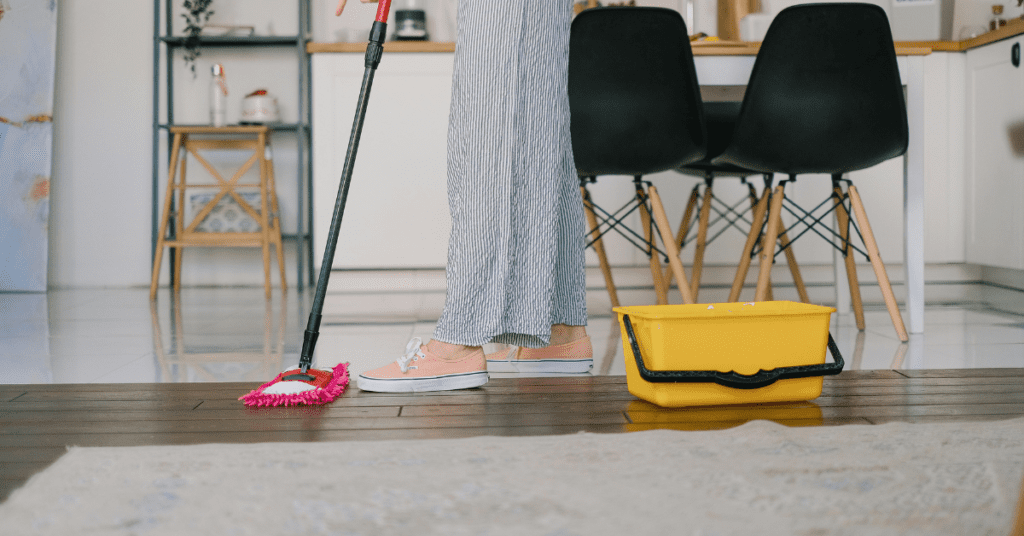
Your wood floors are gorgeous. Or at least, they used to be. Between muddy shoes, pet paws, spilled coffee, and everyday foot traffic, even the most stunning hardwood can start looking dull, scratched, and just plain tired. Here’s a sobering stat: over 65% of homeowners report damaging their wood floors by using the wrong cleaning products. Yikes!
But here’s the good news: You don’t need a professional cleaning crew or a cabinet full of expensive solutions to get your floors gleaming again. I’ve rounded up the best wood floor cleaning hacks that are affordable, effective, and safe for your finish. Whether you’re dealing with sticky residue, scuff marks, or mystery stains, we’ve got you covered.
Why Most People Are Cleaning Their Wood Floors Wrong
Let’s start with a hard truth: the way you’ve been cleaning your floors might actually be making things worse. It’s one of the most common homeowner mistakes out there, and it’s completely understandable. Most of us were never taught the right way to care for hardwood.
The number one culprit? Water. Too much of it. Soaking a mop and dragging it across your hardwood floors might feel satisfying, but excess moisture seeps into the wood grain, causing warping, swelling, and long-term damage to your finish. Even a “damp” mop can be too wet if you’re not wringing it out thoroughly.
The second big mistake is using the wrong products. Harsh, multi-surface cleaners, bleach-based sprays, and even some “floor cleaners” on store shelves contain chemicals that strip the protective finish right off your hardwood over time. Once that finish is gone, your floors are vulnerable to everything.
It also matters what type of wood floor you have. Sealed hardwood floors have a protective polyurethane or aluminum oxide coating, making them more forgiving and easier to clean. Unsealed, oiled, or waxed floors are far more sensitive and require gentler, more specific care. Before you try any of the hacks below, take a moment to identify your floor type. It’ll save you from a costly mistake.
The Best DIY Wood Floor Cleaning Solutions You Already Have at Home
You don’t need to spend a fortune on specialty cleaners. Some of the most effective wood floor cleaning solutions are already sitting in your kitchen or bathroom cabinet. Here’s what actually works.
White vinegar and water are probably the most talked-about DIY floor cleaners on the internet, but they come with a big caveat. Diluted white vinegar (about half a cup per gallon of water) works well on sealed hardwood for cutting through grime and grease. However, vinegar is acidic, and over time, it can dull or degrade certain finishes. Use it sparingly and never on waxed or oiled floors.
Dish soap and warm water are a gentler, everyday alternative. Just a few drops of mild dish soap in a bucket of warm water creates a surprisingly effective cleaner that’s safe for most sealed floors. The key is to wring your mop out almost completely. You want the floor barely damp, not wet.
Here’s one you might not have heard of: black tea. Brew a few bags of black tea in boiling water, let it cool, and use it to mop your dark hardwood floors. The tannins in the tea add a subtle shine and enhance the natural color of darker woods. It sounds odd, but it genuinely works beautifully.
Rubbing alcohol is your secret weapon for sanitizing without moisture damage. Mix one part rubbing alcohol with one part water in a spray bottle, spritz lightly on the floor, and wipe with a dry microfiber cloth. It evaporates almost instantly, making it ideal for quick clean-ups and disinfecting without soaking the wood.
Finally, if you want your floors to smell amazing while you clean, add a few drops of essential oils like lavender, lemon, or tea tree to your cleaning solution. Tea tree oil even has mild antibacterial properties, making it a great addition to your natural cleaning routine.
How to Remove Stubborn Stains from Hardwood Floors
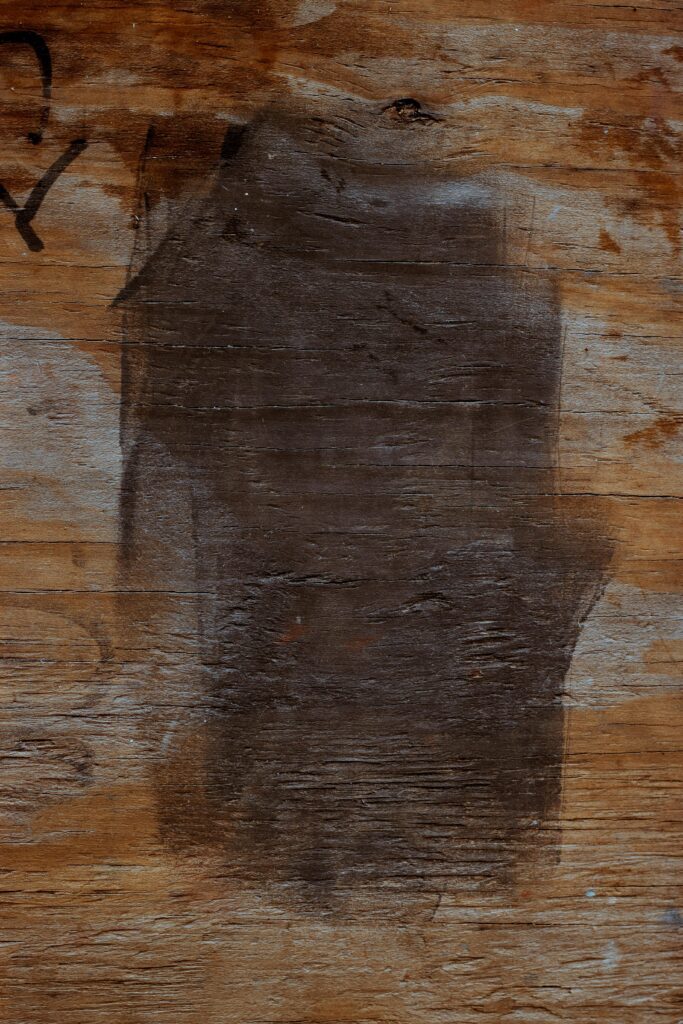
Stains happen. Whether it’s a knocked-over glass of red wine, a pet accident, or a mysterious dark spot that appeared out of nowhere, knowing how to tackle specific stains without damaging your floor is essential.
Grease and oil stains respond really well to a small amount of dish soap applied directly to the stain. Let it sit for a minute or two, then gently scrub with a soft cloth and wipe clean. Avoid scrubbing aggressively. You want to lift the grease, not scratch the finish.
Pet urine stains are trickier because the ammonia in urine can penetrate deep into the wood grain. For fresh stains, blot immediately with paper towels, then clean with a diluted dish soap solution. For older, set-in stains, try a mixture of baking soda and a small amount of hydrogen peroxide. Apply it to the stain, let it sit for a few minutes, then wipe away. Test this in an inconspicuous area first, as hydrogen peroxide can lighten some wood finishes.
Red wine and juice spills need to be tackled fast. Blot, don’t rub, as much liquid as possible immediately. Then, apply a small amount of dish soap solution and gently clean the area. The longer these stains sit, the harder they are to remove.
For scuff marks from shoes, you don’t need any cleaning product at all. Try rubbing the mark with a clean tennis ball or a pencil eraser. The friction gently buffs the scuff away without scratching the floor. It’s one of those hacks that feels like it shouldn’t work, but it absolutely does.
Ink and marker stains can be removed with rubbing alcohol. Dab a small amount onto a cotton ball and gently blot the stain. Don’t rub, blotting lifts the ink instead of spreading it. For stubborn ink stains, you may need to repeat this a few times, but it’s remarkably effective.
Genius Hacks for Restoring Shine to Dull Wood Floors
If your floors have lost their luster, don’t panic. In many cases, you can restore that gorgeous shine without refinishing. And you might already have everything you need.
One of the most popular natural polish hacks is a mixture of olive oil and lemon juice. Combine half a cup of olive oil with a quarter cup of fresh lemon juice, apply a thin layer to your floors using a soft cloth, and buff in the direction of the wood grain. The olive oil conditions and moisturizes the wood while the lemon juice cuts through dullness and adds brightness. Your floors will look like they just got professionally polished. Just don’t use too much, a little goes a very long way.
Switching to a microfiber mop is honestly one of the single biggest game-changers for wood floor maintenance. Traditional string mops hold too much water and can leave streaks, residue, and moisture damage. A good microfiber flat mop glides effortlessly, picks up fine dust and debris without scratching, and leaves floors looking clean and streak-free every single time.
Coconut oil is another wonderful treatment for dry, worn-looking hardwood. Apply a thin layer with a soft cloth, let it absorb for about 15 minutes, then buff away any excess. It restores moisture to the wood, reduces the appearance of minor scratches, and gives floors a warm, healthy glow. This works especially well on older hardwood that’s starting to look a bit tired.
When should you stop hacking and just refinish? If your floors have deep scratches that catch your fingernail, large areas of bare wood with no finish remaining, significant discoloration, or widespread water damage, it’s probably time to call a professional. Refinishing is an investment, but it can make decades-old floors look brand new.
Everyday Wood Floor Cleaning Habits That Prevent Damage
The best wood floor hack of all? Prevention. Developing a few simple daily and weekly habits will dramatically reduce how much deep cleaning you ever need to do.
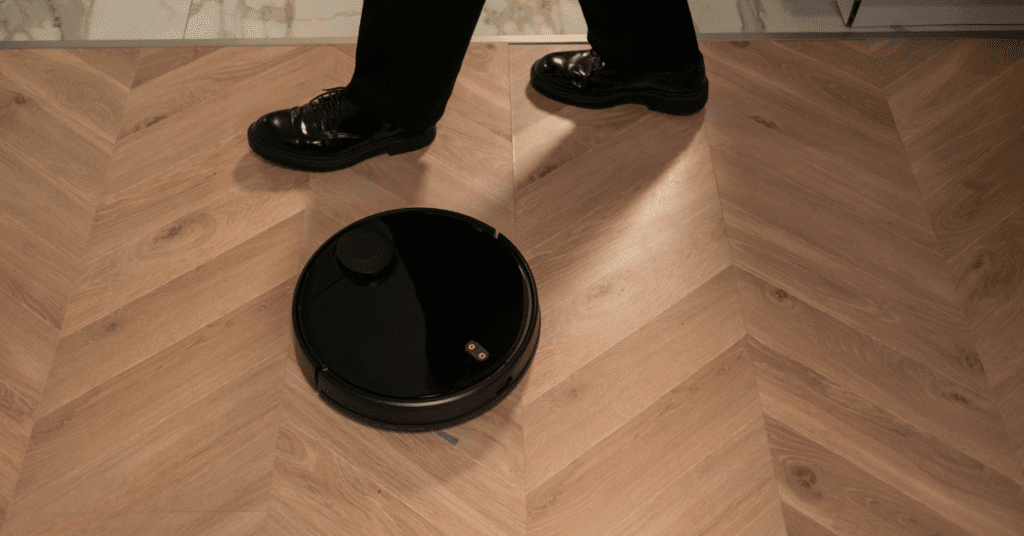
Robot vacuums are appropriate for all floor types, including wooden ones. This is your go-to habit if you don’t want to clean your wooden floor every day. Check out the best robot vacuums here or click the image below:

Dry mopping or sweeping daily (or at least a few times per week) is the single most important habit you can build. Fine dust, grit, and debris act like sandpaper underfoot, slowly scratching and dulling your finish with every step. A quick pass with a microfiber dust mop takes about two minutes and makes a massive difference over time.
Wet mopping should be done sparingly once a week at most for high-traffic areas, and once a month or even less for lower-traffic rooms. Always use a barely damp mop and dry the floor immediately after if there’s any visible moisture left.
Place doormats at every entrance to your home. This one simple step can prevent up to 80% of the dirt and grit that would otherwise be tracked onto your floors. It sounds almost too simple, but it’s genuinely one of the most effective protective measures you can take.
Felt pads on the legs of all furniture are non-negotiable. Chairs, tables, sofas, beds, and everything that sits on your hardwood floor should have felt pads on the bottom. Replacing them every six months or so ensures they’re always doing their job. Without them, every time a chair scrapes across the floor, it leaves micro-scratches that accumulate into visible dullness.
Finally, pay attention to humidity levels in your home. Wood is a natural material that expands and contracts with changes in moisture. Ideally, you want indoor humidity between 35% and 55%. Too dry and your floors can crack and gap; too humid and they can swell and buckle. A simple humidifier or dehumidifier can protect your floors year-round.
The Best Store-Bought Products for Wood Floor Cleaning (That Are Actually Worth It)
Sometimes DIY isn’t what you’re looking for, and that’s completely fine. There are some genuinely excellent commercial products out there. You just need to know which ones to trust.
Bona Hardwood Floor Cleaner is probably the most universally recommended product in the hardwood floor community, and for good reason. It’s water-based, pH-neutral, dries fast, leaves no residue, and is safe for all sealed wood floors. It also comes in a convenient spray mop system that makes cleaning incredibly easy.
Murphy Oil Soap is a classic that’s been around for over a century, and it still has its devotees. It’s plant-based, gentle, and smells wonderful. The key is to use it correctly, heavily diluted in water and applied with a barely damp mop. Using it too concentrated can leave a residue buildup over time.
Method Squirt + Mop Wood Floor Cleaner is a great option for eco-conscious homeowners. It’s made with plant-based ingredients, comes in a recyclable bottle, and smells amazing. Simply squirt it directly on the floor and mop, no bucket required.
When you’re reading labels on any floor cleaner, look for terms like pH-neutral, no-wax formula, and finish-safe. These indicate a product that’s designed to clean without degrading your floor’s protective coating.
And here’s what to avoid at all costs: steam mops, bleach-based cleaners, ammonia-based products, and anything marketed as a “multi-surface” spray. Steam mops force moisture and heat directly into the wood grain. A recipe for warping and finish damage. Bleach and ammonia are far too harsh and will destroy your finish over time.
Wood Floor Cleaning Hacks for Pet Owners
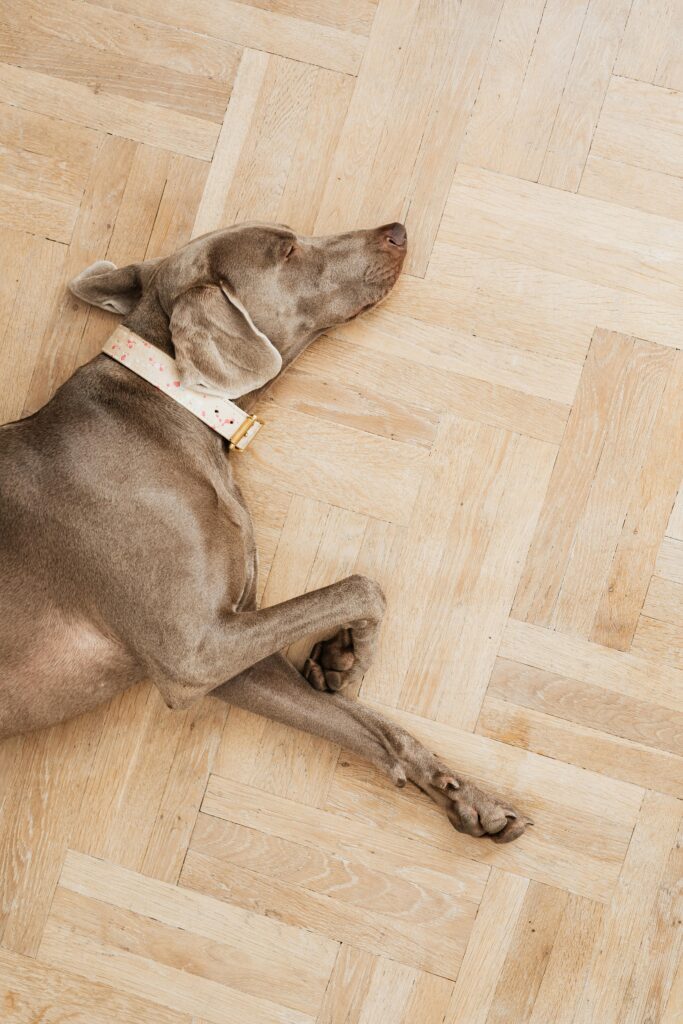
If you share your home with dogs or cats, you already know the unique challenges that come with keeping hardwood floors clean. Pet hair, muddy paws, the occasional accident, it’s a lot. But with the right approach, you can absolutely maintain beautiful floors and a happy pet household.
For pet hair, an electrostatic dry mop or a microfiber dust mop is far more effective than a broom, which tends to scatter hair rather than collect it. If you vacuum, make sure you’re using a setting designed for hard floors. The beater bar on many vacuums can scratch wood surfaces.
For pet odors that have soaked into the wood, baking soda is your best friend. Sprinkle it generously over the affected area, let it sit for several hours or overnight, then sweep or vacuum it up. For particularly stubborn odors, an enzymatic cleaner (available at most pet stores) breaks down the organic compounds causing the smell at a molecular level.
When choosing cleaning products, always check that they’re pet-safe after drying. Most water-based cleaners like Bona are considered safe once dry, but always read the label and keep pets off freshly cleaned floors until they’re completely dry.
To protect your floors from pet nails and claws, keep nails trimmed regularly and consider placing area rugs in high-traffic pet zones like feeding areas and favorite resting spots. Rugs absorb impact and protect the finish beautifully.
If a pet accident has left a permanent dark stain that home remedies can’t fix, it may have penetrated below the finish into the wood itself. At that point, light sanding and refinishing of the affected boards may be the only real solution. But even then, a professional can often work wonders.
Conclusion
Wood floors are one of the most beautiful and valuable features in any home. They add warmth, character, and timeless appeal that no other flooring material can quite replicate. And with the right cleaning hacks in your arsenal, keeping them clean, shiny, and protected doesn’t have to be complicated or expensive.
The key takeaways? Ditch the soaking wet mop. Know your floor type before applying any product. Tackle stains quickly and with the right method. Build simple daily habits like dry mopping and using doormats. And treat your floors to an occasional natural polish to keep them looking their absolute best.
Start with just one or two of these hacks this weekend, and you’ll be amazed at the difference. Your floors have been through a lot. They deserve a little love. And now you have everything you need to give it to them!
Got a wood floor cleaning hack that works like magic in your home? I’d love to hear it, drop it in the comments below! Check out my Pinterest account for more inspiration!