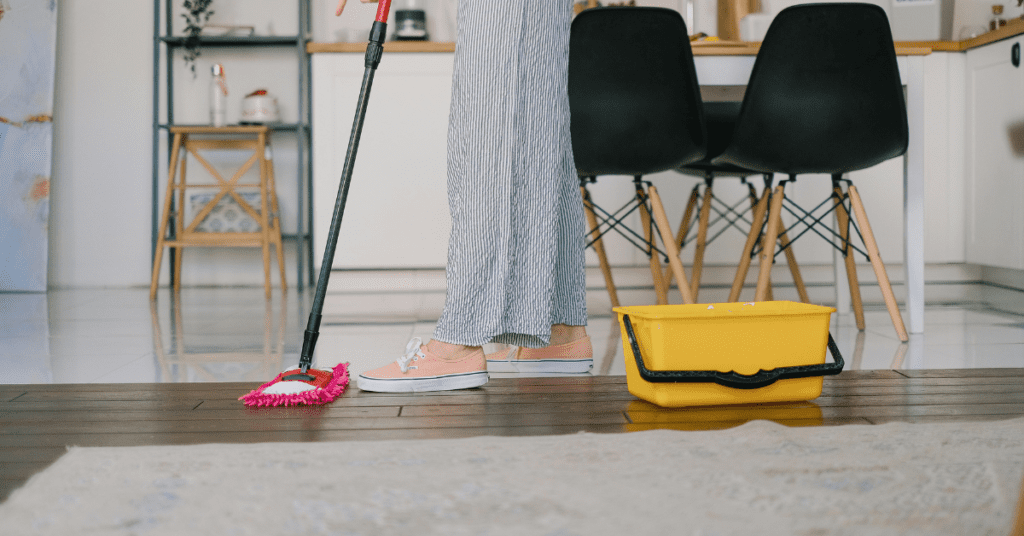
Dirty floors. We all have them. And if you’ve ever grabbed the wrong cleaning solution, you know the damage it can do. Warped hardwood. Streaky tile. A laminate floor that looks worse than before you started. Not fun!
Whether you’re hunting for the best commercial floor cleaning solution, a budget-friendly DIY mix, or something safe for kids and pets, we’ve got you covered. I break it all down for you, surface by surface, need by need. So you can finally get that deep-down clean you’ve been chasing.
What Is a Floor Cleaning Solution and Why Does It Matter?
Not all floor cleaners are created equal, and that’s not just marketing talk. A floor cleaning solution is a specially formulated liquid designed to lift dirt, bacteria, and grime from flooring surfaces without causing damage. Unlike general household cleaners, floor solutions are engineered with specific pH levels, surfactants, and ingredients that match the needs of different materials.
Why does pH matter so much? Floors are finicky. Acidic cleaners (low pH) can etch natural stone and strip hardwood finishes. Alkaline cleaners (high pH) are great for cutting through grease on tile, but can dull laminate over time. Using the wrong product, even once, can cause damage that’s expensive or impossible to reverse.
You’ll also want to understand the difference between concentrated formulas and ready-to-use sprays. Concentrates are cost-effective and environmentally friendly since they reduce plastic waste, but they require proper dilution. Ready-to-use options are convenient for quick cleanups. Neither is universally better; it depends on your lifestyle and how often you clean.
One more thing worth noting: eco-friendly and chemical-free floor cleaners have exploded in popularity over the past few years. More households are moving away from harsh chemicals in favor of plant-based, non-toxic alternatives, and the good news is that many of them work just as well, if not better, than their conventional counterparts.
Best Floor Cleaning Solution by Floor Type
This is where most people go wrong. They grab whatever’s under the sink and start mopping. Let’s fix that.
Hardwood Floors
Hardwood is beautiful but high-maintenance. Always use a pH-neutral cleaner specifically labeled safe for hardwood. Avoid anything with vinegar, ammonia, or bleach; these strip the finish over time. Less water is always better here; excess moisture causes warping and swelling. A lightly damp microfiber mop is your best friend.
Tile and Grout
Tile itself is pretty tough, but grout is porous and loves to trap dirt and bacteria. An alkaline cleaner works well for general tile cleaning, while a dedicated grout cleaner or oxygen bleach solution handles the deep stuff. For heavily stained grout, a stiff brush and a baking soda paste can work wonders before you mop.
Laminate Flooring
Laminate looks like hardwood but behaves very differently. It’s essentially a photograph of wood laminated over a fiberboard core, and it hates water. Use a specially formulated laminate floor cleaner in a spray bottle, mist lightly, and wipe with a dry or barely damp mop. Skip the steam mop entirely.
Vinyl and LVP Flooring
Luxury vinyl plank (LVP) has become one of the most popular flooring choices in 2026. And for good reason, it’s durable and easy to maintain. A gentle, pH-neutral cleaner diluted in warm water does the trick for everyday cleaning. Avoid wax-based products or anything that leaves a film, as these dull the finish over time.
Stone Floors (Marble, Slate, Travertine)
Natural stone is porous and sensitive. Acidic cleaners. Yes, including that popular vinegar solution, will etch the surface and leave permanent dull spots. Always use a stone-safe, pH-neutral cleaner. Seal your stone floors regularly to prevent staining and make cleaning easier.
Concrete Floors
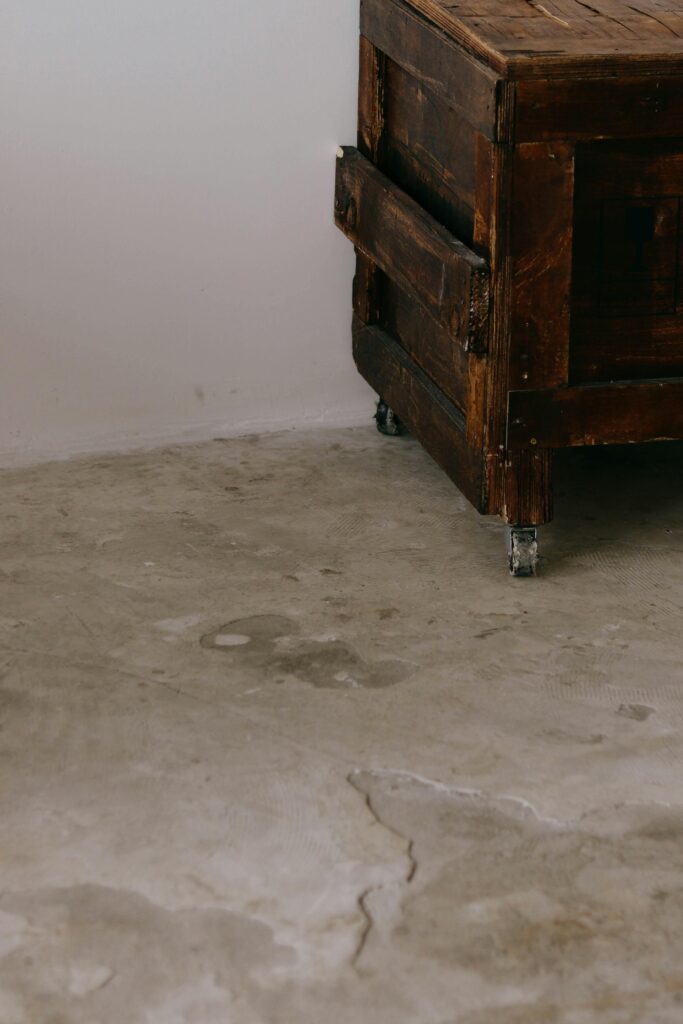
Sealed concrete floors are surprisingly low-maintenance. A neutral pH cleaner or a diluted dish soap solution works well for regular cleaning. For unsealed concrete or garage floors, you’ll want a stronger alkaline degreaser to cut through oil and heavy grime.
Top Commercial Floor Cleaning Solutions in 2026
There’s no shortage of products on the market, but a few consistently rise to the top based on performance, safety, and value.
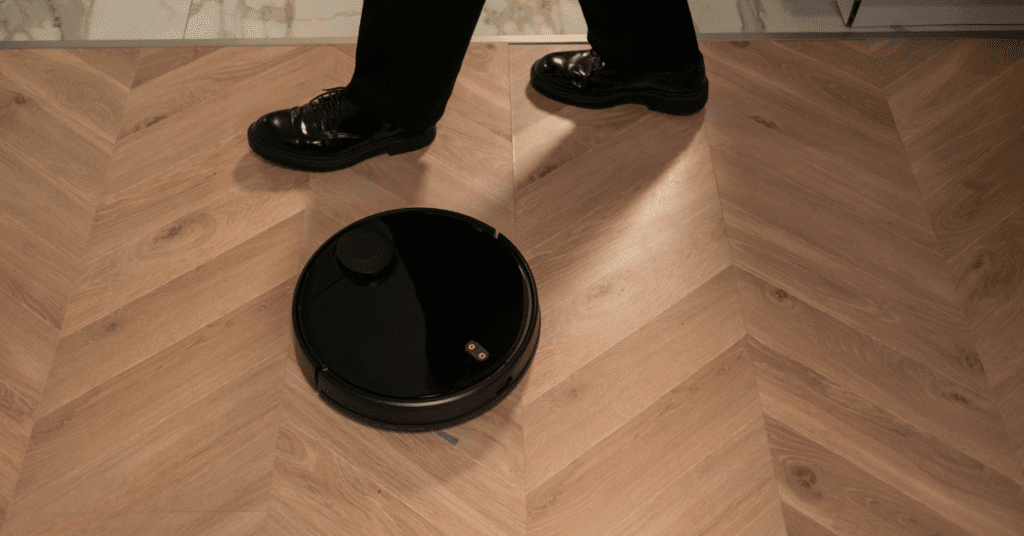
Shark Matrix Plus Vacuum and Mop cleans all surfaces for you automatically. Handheld vacuuming is over; just leave your home, and when you come home at the end of the day, your robot vacuum will have cleaned all floors for you. Check out the best robot vacuums here:

Bona Hardwood Floor Cleaner remains a top pick for wood floors. It’s pH-neutral, dries fast, leaves no residue, and is safe for finished hardwood and engineered wood. The refillable cartridge system also makes it one of the more sustainable options available.
Zep Neutral Floor Cleaner is a workhorse for commercial and residential tile floors. It’s a concentrate, so a little goes a long way, and it handles high-traffic areas without leaving streaks.
Pine-Sol Multi-Surface Cleaner is an old classic that still delivers on tile, vinyl, and linoleum. The scent is strong, so make sure you’re working in a ventilated space. Not recommended for hardwood or unsealed surfaces.
Method Squirt and Mop is a great plant-based option for everyday use on hardwood and stone. It smells great, is non-toxic, and is safe around kids and pets, a huge win for family households.
Rejuvenate All Floors Cleaner is a fan favorite for LVP and laminate. It’s streak-free, restores a subtle shine, and is gentle enough for daily use.
When comparing products, always look at the cost per use rather than the sticker price. A $15 concentrate that makes 30 gallons of solution is far more economical than an $8 ready-to-use bottle that covers one cleaning session.
How to Make a DIY Floor Cleaning Solution at Home
Sometimes the best solution is already in your pantry. Here’s how to make an effective, budget-friendly floor cleaner at home.
All-Purpose DIY Floor Cleaner
Mix one gallon of warm water with one tablespoon of dish soap and half a cup of white vinegar. This works beautifully on tile, vinyl, and linoleum. It cuts through grease, lifts dirt, and leaves a streak-free finish. Best of all, it costs next to nothing.
A word of caution on vinegar: as effective as it is on tile and vinyl, white vinegar is acidic and will damage hardwood finishes, natural stone, and grout sealant over time. If you have these surfaces, skip the vinegar entirely and stick to a dish soap and warm water solution instead.
DIY Hardwood Floor Cleaner
Mix one quart of warm water with a few drops of dish soap, that’s it. Seriously. Simple, gentle, and effective. Wring your mop out thoroughly so it’s barely damp before touching hardwood.
DIY Tile and Grout Cleaner
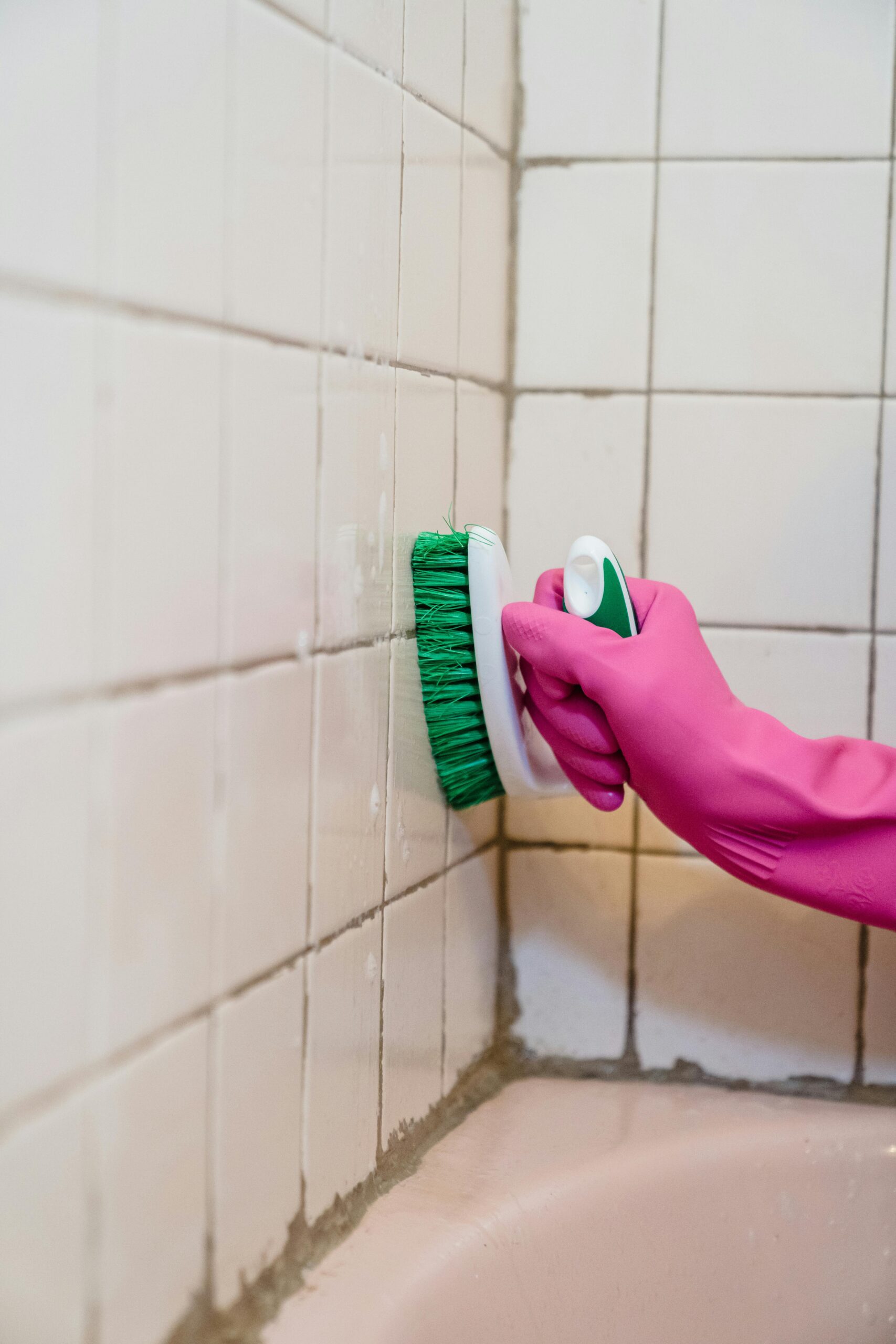
Make a paste with baking soda and a small amount of hydrogen peroxide. Apply it to grout lines, let it sit for 10 minutes, scrub with a stiff brush, then mop clean. It’s genuinely one of the most effective grout-cleaning methods out there.
Add Essential Oils for a Natural Boost
A few drops of tea tree oil add natural antibacterial properties to any DIY solution. Lavender and lemon are popular choices for a fresh, clean scent. Just be mindful that some essential oils can leave a residue if overused.
On average, a homemade floor cleaning solution costs between $0.05 and $0.15 per use compared to $0.50 to $2.00 for most commercial options. The savings add up fast.
Floor Cleaning Solution for Deep Cleaning vs. Daily Maintenance
There’s a big difference between keeping your floors looking presentable day-to-day and giving them a proper deep clean. Both matter, and both call for a different approach.
For daily maintenance, you want a gentle, diluted solution that lifts surface dirt and dust without over-wetting the floor or stripping any protective finish. A light spray-and-mop routine with a microfiber mop is all most floors need between deeper cleans.
Deep cleaning is a different story. This is when you’re tackling built-up grime, sticky residue, scuff marks, or floors that haven’t been properly cleaned in a while. Here you’ll want a stronger concentration of your chosen cleaner, or a dedicated deep-clean formula, along with more scrubbing action and potentially a second pass with clean water to rinse.
As a general guideline, most floors benefit from a deep clean every one to three months, depending on foot traffic. High-traffic kitchens and entryways may need it more frequently, while a guest bedroom could go longer between deep cleans.
One thing to watch for: if your hardwood or laminate floor has started to look dull despite regular cleaning, it may have a product buildup problem rather than a dirt problem. In that case, a floor-specific cleaner designed to strip residue is what you need before returning to your routine.
Eco-Friendly and Non-Toxic Floor Cleaning Solutions
The demand for green cleaning products has skyrocketed, and it’s not hard to see why. Conventional floor cleaners often contain VOCs (volatile organic compounds), synthetic fragrances, and harsh chemicals that linger in the air long after you’ve finished mopping. For households with young children, pets, or anyone with allergies or asthma, this is a real concern.
The good news is that non-toxic floor cleaning solutions have come a long way. They’re no longer a compromise, many of them genuinely outperform their chemical-laden counterparts.
When shopping for an eco-friendly floor cleaner, look for these certifications: EPA Safer Choice (indicates the formula meets strict safety standards), USDA Biobased (confirms use of plant-derived ingredients), and EWG Verified (meets the Environmental Working Group’s standards for ingredient transparency and safety).
Some standout plant-based brands worth checking out include Branch Basics, Blueland, Better Life, and the already-mentioned Method. Many of these brands also use sustainable packaging, concentrated tablets that dissolve in water, refillable bottles, or minimal plastic, which is a bonus for the environmentally conscious cleaner.
If you prefer to go fully DIY, a simple mix of castile soap, warm water, and a few drops of essential oil is one of the most effective and safest floor cleaning solutions you can make. It’s biodegradable, gentle on surfaces, and completely free of synthetic chemicals.
Reading ingredient labels matters. Avoid products containing formaldehyde-releasing preservatives, artificial musks, or anything labeled “fragrance” without further disclosure, these are often catch-all terms for undisclosed chemical mixtures.
Common Floor Cleaning Mistakes to Avoid
Even with the best solution in your bucket, a few common habits can undo all your hard work. Or worse, damage your floors. Here’s what to watch out for.
Using too much water. This is the number one mistake, especially on hardwood and laminate. Excess moisture seeps into seams and edges, causing swelling, warping, and mold growth underneath. Always wring your mop until it’s just barely damp.
Skipping the sweep or vacuum. Mopping over loose dirt and debris just moves it around and creates a muddy residue. Always sweep or vacuum thoroughly before any wet cleaning. And if you don’t want to vacuum yourself, consider the best robot vacuums here:

Mixing cleaning products. Bleach and ammonia. Bleach and vinegar. These combinations release toxic chlorine gas and can be genuinely dangerous. Stick to one product at a time and rinse well between applications if switching.
Using a dirty mop. A mop that hasn’t been cleaned is essentially spreading bacteria from room to room. Rinse your mop head after every use, wash it regularly, and replace it when it starts to smell or look worn.
Ignoring manufacturer guidelines. Your flooring came with care instructions for a reason. Using products not approved for your specific floor type can void warranties and cause irreversible damage. When in doubt, check the manufacturer’s website.
Pro Tips for Getting the Most Out of Your Floor Cleaning Solution
You’ve got the right product. Now let’s make sure you’re using it the right way.
Always start with a dry pass. Sweep or vacuum the entire floor before introducing any liquid. This removes the bulk of debris and makes your wet cleaning far more effective.
Match your mop to your floor. Microfiber flat mops are ideal for hardwood, laminate, and LVP. They’re gentle, highly absorbent, and pick up fine dust better than traditional string mops. String mops or sponge mops work better on tile, where you need a bit more scrubbing action.
Water temperature matters more than most people realize. Warm water activates cleaning agents more effectively than cold water and helps dissolve grease and sticky residue faster. That said, very hot water can damage some floor finishes. Warm, not boiling, is the sweet spot.
Dilution is everything. More cleaning solution does not mean a cleaner floor. Over-concentrated solutions leave a sticky film that actually attracts more dirt. Follow the recommended dilution ratio on the label. Or if mixing DIY, keep it light.
Finally, change your mop water. Mopping with dirty water just redistributes grime. For larger homes or heavily soiled floors, change the water halfway through. It makes a noticeable difference.
Conclusion
Keeping your floors clean doesn’t have to be complicated, but it does require the right solution for the job. From everyday hardwood care to tackling grout grime on tile, the best floor cleaning solution is one that matches your specific surface, lifestyle, and cleaning goals.
The good news? You’ve now got everything you need to make a smart choice. Whether you go with a trusted commercial brand, whip up a quick DIY mix, or switch to a greener formula, your floors will thank you. Start with your most-used room, test your chosen solution in a small area first, and build a routine that keeps every surface looking its best.
Clean floors aren’t just about appearances. They’re about creating a healthier, more comfortable home. And with the right solution in hand, that’s a lot easier than you might think!
Got a favorite floor cleaning solution that works like a charm? Drop it in the comments, I’d love to hear what’s working for you!