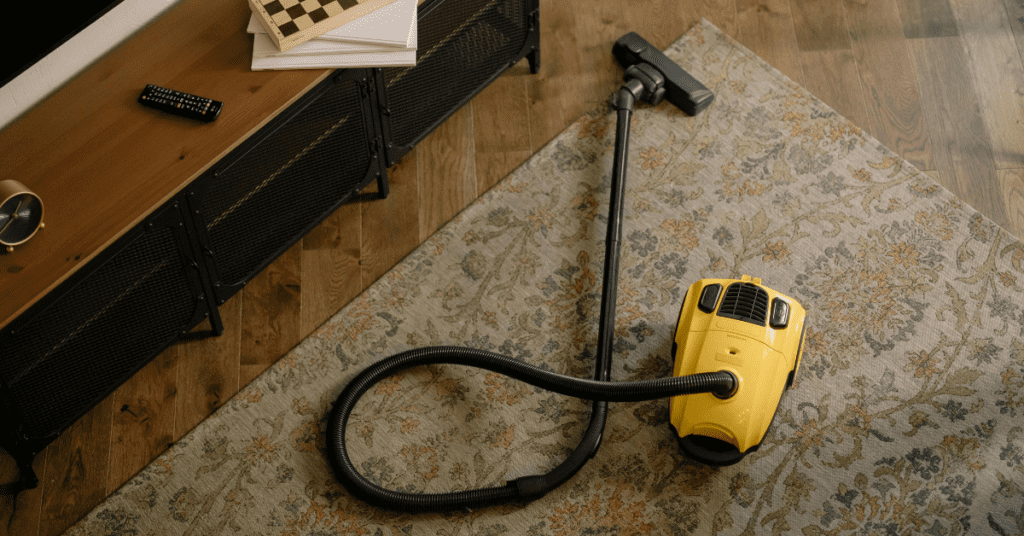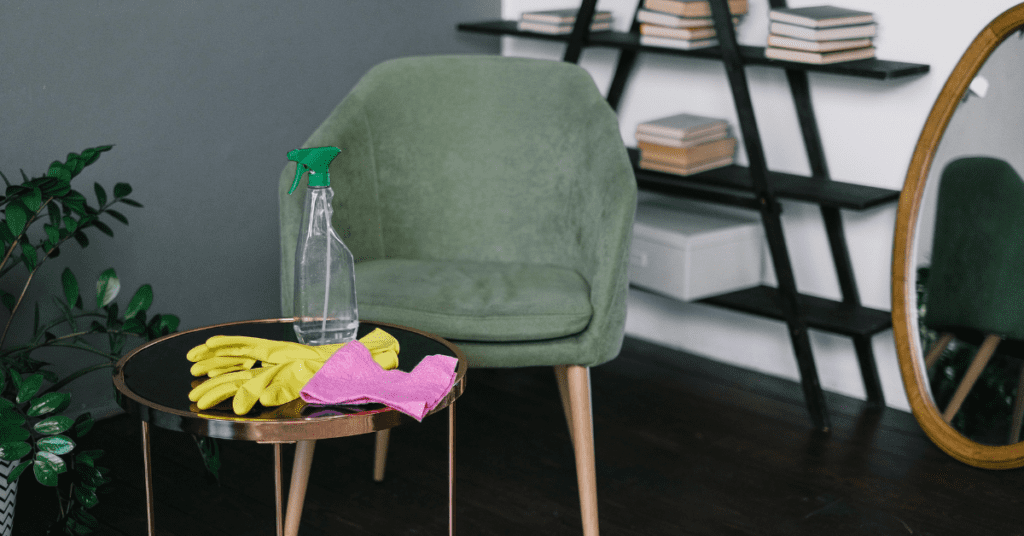
The cleaning product aisle is one of the most overwhelming in any supermarket or home goods store. Hundreds of products compete for your attention with bold claims, impressive-looking labels, and marketing language designed to convince you that this particular formula is the one that will finally solve your cleaning challenges. The reality? The vast majority of home cleaning tasks can be handled brilliantly by a relatively small, well-chosen collection of core products, supplemented by a handful of specialist solutions for specific challenges.
This guide cuts through all of it. Whether you’re stocking a home for the first time, doing a full audit of what’s currently under your sink, or simply trying to understand which products are genuinely worth buying versus which ones are clever marketing, this complete guide to home cleaning products covers everything you need to know. Let’s build a cleaning product arsenal that actually works!
Before I forget, I wanted to share one of my favorite home cleaning products already with you. It’s the robot vacuum, such a great invention! Say goodbye to handheld vacuuming and hello to automatically cleaned floors. Check out the best robot vacuums of this moment here or by clicking the image below:

Understanding Home Cleaning Products: What They Are and How They Work
Before choosing cleaning products, understanding how they actually work. The chemistry, the categories, and the key distinctions help you make genuinely informed choices rather than simply being guided by packaging claims.
The Main Categories of Cleaning Products
Home cleaning products fall into several distinct functional categories, and understanding these categories is more useful than memorizing brand names. All-purpose cleaners are formulated to handle a broad range of everyday cleaning tasks on multiple surface types. They’re the workhorses of any cleaning product collection and the product most worth investing in quality. Disinfectants are specifically formulated to kill microorganisms, bacteria, viruses, and fungi on surfaces, and they carry EPA registration numbers that verify their efficacy claims, unlike general cleaners whose antibacterial claims may not be independently verified. Degreasers are alkaline formulas specifically designed to break down and lift cooking grease, oil, and fat. Essential in kitchen environments where standard all-purpose cleaners often struggle with heavy grease accumulation. Abrasive cleaners contain fine abrasive particles, usually calcium carbonate or silica, that physically scrub stubborn deposits from surfaces. And specialty products cover everything from limescale removers to oven cleaners to enzymatic pet stain treatments, highly specific formulas for specific cleaning challenges.
How Cleaning Products Actually Work
The active ingredients in cleaning products perform distinct chemical functions, and knowing what they are helps you understand why certain products work brilliantly on certain surfaces and should never be used on others. Surfactants, surface-active agents, are the foundation of most cleaning products. They reduce the surface tension of water, allowing it to spread and penetrate surfaces more effectively, and their molecular structure allows one end to bond with water while the other end bonds with oil and grease, forming the emulsification that allows grease to be lifted from a surface and rinsed away with water.
Solvents dissolve specific types of staining agents, rubbing alcohol dissolves ink and certain adhesives, acetone dissolves nail polish, and mineral spirits dissolve oil-based stains. Acids, like the acetic acid in vinegar, the citric acid in many descalers, and the hydrochloric acid in some heavy-duty limescale removers, dissolve alkaline deposits like limescale, hard water mineral deposits, and soap scum. Alkalis, like sodium hydroxide in heavy-duty oven cleaners and sodium carbonate in many general cleaners, dissolve acidic organic matter like grease, food residue, and body oils. And enzymes, particularly in laundry detergents and pet stain treatments, are biological catalysts that break down specific organic compounds like proteins, fats, and starches at a molecular level.
Cleaning vs. Sanitizing vs. Disinfecting
These three terms are used interchangeably in casual conversation but have distinct technical meanings that affect product choice for different situations. Cleaning removes visible dirt, debris, and some microorganisms from surfaces through physical action. It reduces the number of germs on a surface but doesn’t necessarily kill them. Sanitizing reduces the number of bacteria on a surface to safe levels as defined by public health standards, typically a 99.9 percent reduction in bacterial count. Disinfecting kills a broader spectrum of microorganisms, bacteria, viruses, and fungi to levels specified by regulatory standards. For most everyday home cleaning, cleaning is sufficient. For high-touch surfaces in households with illness, immunocompromised members, or food preparation areas, sanitizing or disinfecting provides meaningful additional protection.
pH and Surface Compatibility
The pH of a cleaning product, its acidity or alkalinity on the scale from 0 to 14, where 7 is neutral, is one of the most important compatibility factors for surface safety. Acidic cleaners dissolve alkaline deposits and are excellent for limescale, hard water marks, and soap scum, but they damage natural stone surfaces like marble, travertine, and limestone, which are made of calcium carbonate that acids dissolve. Alkaline cleaners are excellent degreasers but can damage acid-sensitive surfaces and materials. pH-neutral cleaners are safe on the broadest range of surfaces and are the appropriate choice for sensitive surfaces like hardwood floors, engineered wood, natural stone, and most finished surfaces where long-term finish integrity is important.
The Essential Home Cleaning Products Every Home Needs
This is the core collection, the products that handle the vast majority of household cleaning tasks and that every home should have regardless of size, lifestyle, or preference.
All-Purpose Cleaner
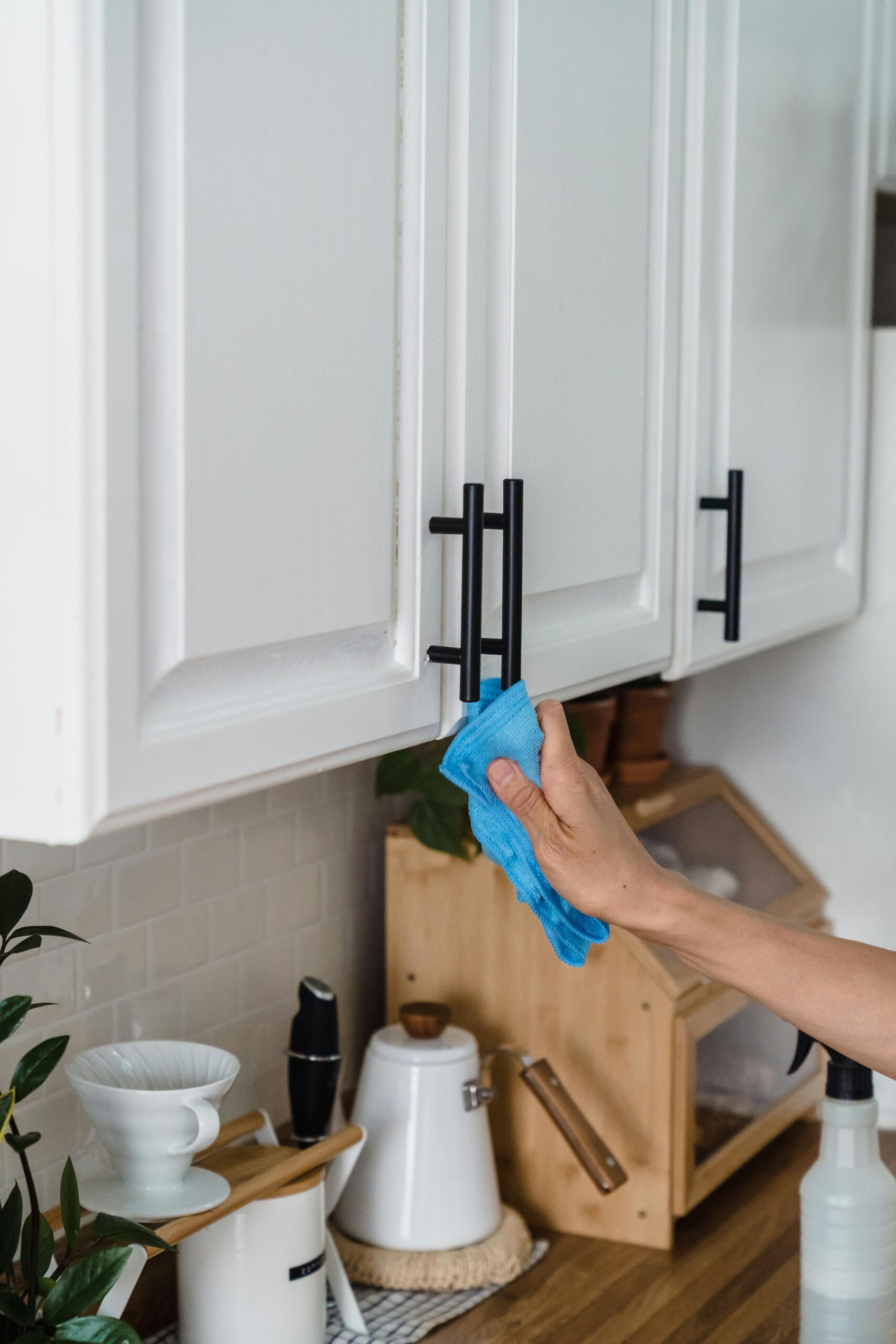
The all-purpose cleaner is the single most important product in any home cleaning collection. A quality all-purpose cleaner handles countertops, appliance exteriors, cabinet fronts, bathroom surfaces, light switches, door handles, and dozens of other everyday cleaning tasks with a single product. The best all-purpose cleaners are pH-neutral or close to it, safe on the broadest range of surfaces, effective against grease and general grime, and quick-drying to prevent residue buildup. Method All-Purpose Cleaner, Mrs. Meyer’s Clean Day Multi-Surface Everyday Cleaner, and the Seventh Generation Professional All-Purpose Cleaner are all excellent choices across different price points and fragrance preferences. For those who prefer a traditional option, Mr. Clean Multi-Surface Cleaner remains consistently effective at an accessible price.
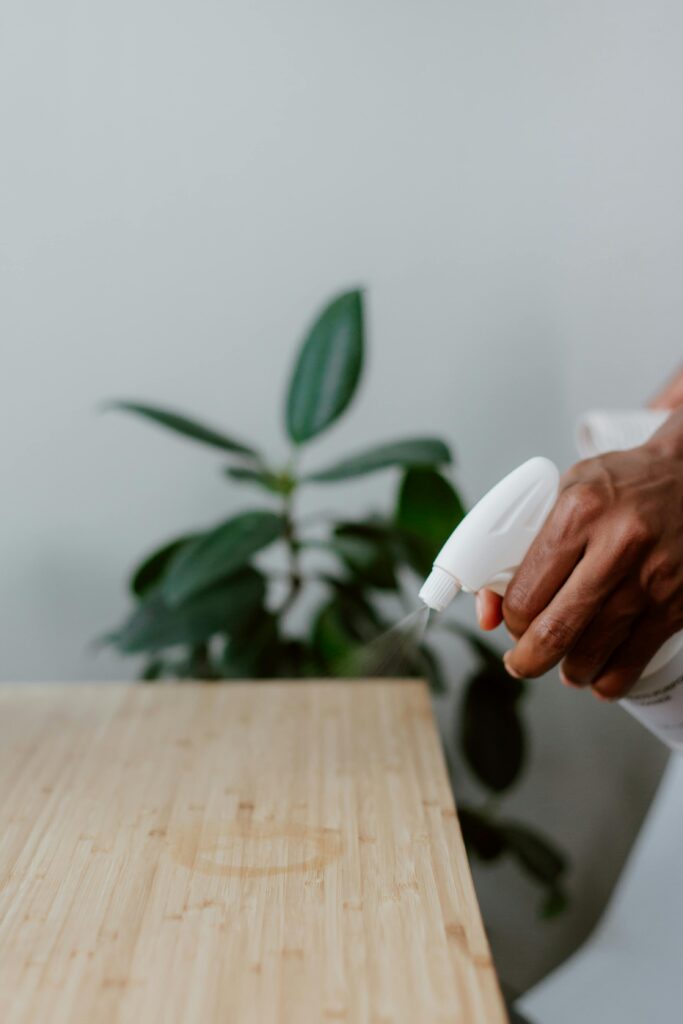
The key to getting maximum value from your all-purpose cleaner is a quality spray bottle with a reliable nozzle. Apply, dwell for 30 seconds on dirty surfaces, and wipe with a microfiber cloth. That sequence handles the enormous majority of everyday surface cleaning tasks in any room of the house.
Bathroom Cleaner
The bathroom presents a specific combination of cleaning challenges, soap scum, hard water mineral deposits, mold and mildew, and the hygiene requirements of a high-bacteria environment, which make a dedicated bathroom formula more effective than a general all-purpose cleaner. Look for a bathroom cleaner with surfactants for soap scum removal, an acidic component for hard water and limescale, and either a disinfecting agent or explicit disinfectant labeling for genuine hygiene effectiveness. Cif Bathroom Cleaner, Lysol Bathroom Cleaner, and the Method Bathroom Cleaner are all strong options across the conventional and natural product spectrum.
Kitchen Degreaser
The kitchen accumulates cooking grease in a way that no other room does, and most all-purpose cleaners struggle with heavy grease accumulation on range hoods, stovetop surrounds, oven exteriors, and cabinet fronts near cooking areas. A dedicated kitchen degreaser, with a higher alkalinity formulated specifically to break down cooking grease, handles these tasks efficiently, where an all-purpose cleaner would require much more scrubbing effort. Zep Heavy Duty Citrus Degreaser, Simple Green All-Purpose Cleaner, and Method Heavy Duty Degreaser are all effective options. Many households find that a dedicated kitchen degreaser is the most impactful single product addition to their cleaning collection.
Glass and Window Cleaner
Streak-free glass, mirror, and window cleaning requires a specific formula, typically an alcohol-based solution that evaporates quickly without leaving residue. Standard all-purpose cleaners on glass surfaces often leave a slight film that shows as streaks and smears in direct light. Windex Original is the category benchmark and remains genuinely excellent. Method’s Glass + Surface Cleaner is a strong, natural alternative. For a DIY option that genuinely performs, a solution of one part white vinegar to one part water with a small splash of rubbing alcohol produces excellent streak-free results on most glass surfaces.
Toilet Bowl Cleaner
The toilet bowl requires a dedicated product because the combination of mineral deposits, limescale, and bacterial contamination that accumulates under the rim and in the bowl needs targeted chemical action that a standard bathroom spray can’t efficiently provide. Acidic toilet bowl cleaner, most commercial products use hydrochloric acid or sodium bisulfate as the active acid, dissolve limescale and mineral deposits while disinfecting the bowl surface. Harpic Power Plus, Lysol Toilet Bowl Cleaner, and the Seventh Generation Natural Toilet Bowl Cleaner are all effective options across the conventional and natural spectrum. Apply under the rim, allow to dwell for the recommended time, scrub with the toilet brush, and flush.
Floor Cleaner
Floor cleaning product choice depends entirely on your floor type, and using the wrong product for your specific floor is one of the most common cleaning product mistakes. For hardwood and engineered wood floors, use a pH-neutral cleaner specifically formulated for wood. Bona Hardwood Floor Cleaner is the industry benchmark. For laminate, use a residue-free formula designed for sealed surfaces, Bona Stone, Tile and Laminate Cleaner or Black Diamond Wood and Laminate Cleaner. For ceramic and porcelain tile, most all-purpose and floor cleaners work well, with the addition of a dedicated grout cleaner for grout lines. For natural stone, use only pH-neutral, stone-specific cleaners. Acids damage marble and limestone permanently.
Dishwashing Liquid
Dishwashing liquid is one of the most underrated multi-use cleaning products in the home. Beyond its obvious role in dish cleaning, dishwashing liquid’s concentrated surfactant formula makes it an excellent degreaser for kitchen surfaces, a safe general cleaner when highly diluted, an effective spot cleaner for fabric stains, and the base ingredient of numerous DIY cleaning solutions. Dawn Platinum and Fairy Original are perennial performance benchmarks. For natural options, Ecover Washing Up Liquid and Method Dish Soap perform well without the petroleum-derived ingredients of conventional formulas.
The Best Natural and Eco-Friendly Home Cleaning Products
The natural cleaning product category has matured significantly from its early days of products that made excellent environmental claims but delivered inconsistent cleaning results. In 2026, the best natural cleaning products genuinely compete with conventional formulas on cleaning performance.
Why Natural Cleaning Products Have Gone Mainstream
Several converging factors have driven the mainstream adoption of natural cleaning products. Growing consumer awareness of the health implications of certain synthetic cleaning ingredients, particularly VOCs, phthalates, and synthetic fragrances that accumulate in indoor air, has created genuine demand for safer alternatives. Regulatory pressure has increased in many markets, with certain ingredients being restricted or requiring disclosure. And critically, the formulation technology behind plant-based surfactants and naturally-derived cleaning agents has advanced to the point where performance gaps between natural and conventional products have narrowed dramatically or disappeared entirely for most everyday cleaning tasks.
The Best Plant-Based All-Purpose Cleaners
Method All-Purpose Cleaner is perhaps the most successful natural cleaning product of the modern era, genuinely effective on a wide range of surfaces, available in a range of pleasant fragrances, affordable, and widely available. Mrs. Meyer’s Clean Day Multi-Surface Everyday Cleaner uses plant-derived cleaning ingredients and essential oil fragrances in a formula that cleans effectively and smells extraordinary. Seventh Generation’s Botanical Disinfecting Multi-Surface Cleaner is EPA Safer Choice certified and delivers disinfecting efficacy alongside effective cleaning, a rare combination in the natural product space. Grove Collaborative and Branch Basics also offer strong concentrated formulas that dilute into effective all-purpose cleaners at an excellent value.
Concentrated and Refillable Products
One of the most significant developments in the eco-friendly cleaning product space is the proliferation of concentrated formulas designed to be diluted at home. Brands like Blueland, Grove Collaborative, and Branch Basics offer concentrated refills or dissolvable cleaning tablets that you add to a reusable bottle with water. This approach reduces plastic packaging dramatically. One small concentrate package replaces multiple full-size plastic bottles, and typically reduces cost per use significantly compared to standard ready-to-use products. The cleaning performance of quality concentrated formulas is excellent, and the refill model represents both the most economical and most environmentally responsible approach to cleaning product consumption for most households.
Certifications That Actually Mean Something
The natural and eco-friendly cleaning product space has a greenwashing problem, products with green-looking labels and natural-sounding ingredient names that don’t necessarily meet any independently verified environmental or safety standard. Several certifications provide genuine independent verification worth looking for. The EPA Safer Choice label indicates that every ingredient in the formula has been evaluated by the Environmental Protection Agency for human and environmental safety. USDA Certified Biobased certification verifies the percentage of biological rather than petroleum-derived ingredients. The Environmental Working Group’s EWG Verified mark indicates the product has been independently reviewed against strict health and transparency criteria. When shopping for natural cleaning products, these certifications provide a reliable signal through the marketing noise.
Where Natural Products Excel and Where They Fall Short
Natural cleaning products perform excellently on everyday surface cleaning, glass and mirrors, floors, general kitchen and bathroom maintenance, and laundry. They approach conventional product performance on soap scum and light limescale removal. They genuinely struggle, in most formulations, with heavy limescale deposits that require strong acid, heavy baked-on grease that requires high-alkalinity degreasers, serious mold and mildew that requires bleach-level disinfection, and drain clearing that requires enzymatic or caustic action. For these specific heavy-duty challenges, conventional products or targeted natural specialty formulas remain the more effective choice.
DIY Home Cleaning Products That Work as Well as Store-Bought
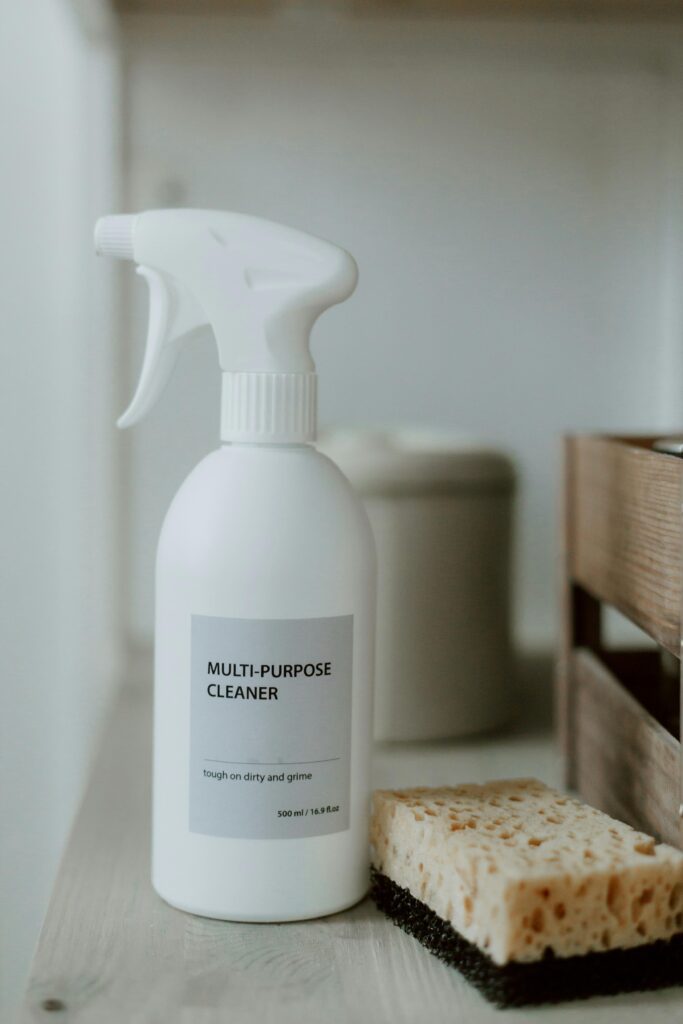
For households that want maximum control over their cleaning product ingredients, minimum cost, and the satisfaction of making effective products from simple ingredients, these DIY formulas deliver genuine performance.
The Essential DIY Cleaning Ingredient Toolkit
Five ingredients form the foundation of virtually every effective DIY cleaning formula. White vinegar is inexpensive, widely available, and effective against mineral deposits, soap scum, and light grease through its acetic acid content. Baking soda is a mild alkali and gentle abrasive that deodorizes, lifts surface staining, and provides scrubbing action without scratching. Dish soap, concentrated surfactant action for grease cutting and general cleaning. Hydrogen peroxide is a powerful natural disinfectant and stain lifter that breaks down into water and oxygen with no harmful residue. And rubbing alcohol, excellent solvent for inks, adhesives, and sticky residues, plus quick-drying streak-free action for glass surfaces. With these five ingredients, you can make effective formulas for virtually every routine cleaning task in the home.
DIY All-Purpose Cleaner
The most used DIY formula: combine one cup of water, one cup of white vinegar, 15 drops of tea tree essential oil for antibacterial action, and 10 drops of your preferred essential oil for fragrance. Add to a spray bottle and shake to combine. This formula handles countertops, appliance exteriors, cabinet fronts, and most general surface cleaning effectively. Important caveat: never use this vinegar-based formula on natural stone surfaces. The acidity etches marble, granite, and limestone permanently. For stone surfaces, substitute the vinegar with water and use dish soap instead.
DIY Bathroom Cleaner
For an effective DIY bathroom cleaner, combine half a cup of baking soda, a quarter cup of dish soap, and enough hydrogen peroxide to form a spreadable paste. Apply to bathroom surfaces, allow to dwell for five to ten minutes, scrub with a brush or cloth, and rinse. This formula tackles soap scum, light mold, and general bathroom grime effectively. For hard water deposits and limescale specifically, undiluted white vinegar applied and allowed to dwell for 15 to 30 minutes before scrubbing is more effective than the paste formula.
DIY Glass Cleaner
For streak-free windows and mirrors: combine one cup of water, one cup of rubbing alcohol, and one tablespoon of white vinegar in a spray bottle. Shake gently and apply with a microfiber cloth. The alcohol’s fast evaporation leaves no residue, the primary cause of streaking, and the formula outperforms many commercial glass cleaners in streak-free results when used with a clean microfiber cloth.
DIY Disinfecting Spray
For a genuinely effective DIY disinfectant: fill a spray bottle with undiluted 70 percent isopropyl rubbing alcohol. This concentration, 70 percent, not higher, is the most effective for killing bacteria and viruses, including the most common household pathogens. Apply to surfaces, allow to dwell for 30 seconds minimum, and allow to air dry. Alternatively, a three percent hydrogen peroxide solution, the standard drugstore concentration used undiluted, is an effective natural disinfectant for hard surfaces.
When DIY Isn’t Appropriate
DIY cleaning products have genuine limitations that are worth acknowledging honestly. For EPA-verified disinfection claims, relevant when genuinely ill household members or immune-compromised individuals require verified pathogen elimination, only EPA-registered commercial disinfectants provide independently verified efficacy. For heavy mold remediation, heavy oven cleaning, professional-grade drain clearing, and any situation where regulatory-standard disinfection is required, commercial products formulated for those specific tasks deliver more reliable results than DIY alternatives.
Home Cleaning Products by Room
Kitchen Cleaning Products
The kitchen requires the most comprehensive cleaning product toolkit of any room in the home. The core kitchen cleaning collection should include: a dedicated kitchen degreaser for heavy cooking grease on range hoods, stovetops, and cabinet fronts; an all-purpose disinfecting cleaner for countertops and high-touch surfaces; dish soap for washing up and multi-purpose surface cleaning; a specialized appliance cleaner or stainless steel cleaner for appliance exteriors if applicable; a microwave cleaner or simply a lemon and water steam treatment for microwave interiors; and an oven cleaner for the periodic deep clean of the oven cavity.
For kitchen floors specifically, the choice depends on floor type. A pH-neutral wood floor cleaner for hardwood, a dedicated hard floor formula for tile. A robot mop running daily on kitchen floors dramatically reduces the frequency of manual floor mopping required.
Bathroom Cleaning Products
The complete bathroom cleaning product toolkit: a dedicated bathroom multi-surface spray for general surfaces; a toilet bowl cleaner with acid and disinfectant action; a limescale and hard water remover for shower screens, taps, and showerheads; a mold and mildew spray for grout lines and silicone seals; a glass or mirror cleaner for bathroom mirrors; and a floor cleaner appropriate for your bathroom floor type. In hard water areas, the limescale remover is particularly important. Hard water deposits on shower screens, taps, and tile surfaces are impossible to remove with standard all-purpose cleaners and require the targeted acid chemistry of a dedicated descaler.
Living Room and Bedroom
These rooms require a simpler cleaning product toolkit than the kitchen and bathroom. An all-purpose surface cleaner handles furniture surfaces, shelving, and light switches. A glass cleaner handles mirrors and any glass furniture surfaces. A fabric refresher or upholstery cleaner for sofas and chairs adds meaningful hygiene value, given how much skin contact these surfaces have. A wood polish or conditioner for wooden furniture adds both appearance value and protective care for wood surfaces. And a carpet or rug freshener for any carpeted areas or area rugs provides odor management and light refreshing between deeper cleaning sessions.
Laundry Products
The laundry product category deserves dedicated attention, given how significantly product choice affects both cleaning performance and fabric longevity. A quality laundry detergent, in liquid or pod form, is the base of the laundry product collection. Tide, Persil, and Seventh Generation are all consistently strong performers across conventional and natural product options. A dedicated stain pre-treatment product, Vanish, Spray ‘n Wash, or the excellent Zout, handles stains that standard detergent washing alone won’t fully remove. A fabric softener or wool dryer balls for the tumble dryer provides softening and static reduction. And for specific fabric care needs, delicates, wool, sportswear, specialty detergents formulated for those fabric types extend garment life significantly.
Outdoor and Garage
Outdoor and garage cleaning requires products built for tougher conditions than indoor surfaces present. A concentrated patio and deck cleaner or an outdoor multi-surface cleaner handles general exterior surface cleaning. An algae and moss treatment is essential for patio stones, paths, and any outdoor surface in humid or shaded conditions where biological growth is a persistent problem. A car washing shampoo for vehicle exteriors, a wheel cleaner for brake dust removal, and a windshield cleaner round out the outdoor vehicle care collection. For garages specifically, a concrete degreaser handles oil and automotive fluid stains on garage floors effectively.
Specialty Home Cleaning Products Worth Having
Beyond the core collection, these specialty products address specific cleaning challenges that standard formulas can’t efficiently handle.
Stain Removers
A dedicated stain remover is one of the most valuable specialty products in any home, the difference between a stain that comes out and a stain that sets permanently is often simply having the right product and responding quickly. For fabric and carpet stains, enzymatic stain removers like Vanish Oxi Action or Zout break down protein and organic stains biologically. They outperform standard stain sprays on blood, food, and body fluid stains. For hard surface staining, Bar Keepers Friend, containing oxalic acid, is remarkable on rust, tea and coffee staining, and mineral deposits on ceramic and stainless steel surfaces.
Limescale and Hard Water Removers
In hard water areas, which affect the majority of homes in many regions, a dedicated limescale remover is not a luxury; it’s a necessity. The calcium and magnesium mineral deposits left by hard water on shower screens, taps, showerheads, tiles, and kitchen surfaces cannot be removed by standard cleaners. Dedicated descalers, Harpic Limescale Remover, CLR Calcium Lime Rust Remover, and the excellent Viakal, contain the specific acids that dissolve mineral deposits effectively. These products are not interchangeable with general bathroom cleaners and represent a genuinely essential addition for hard water households.
Mold and Mildew Removers
Mold on grout lines, around bath and shower silicone seals, and on bathroom tile surfaces is one of the most stubborn household cleaning challenges. Standard bathroom cleaners clean around mold without killing the fungal growth, and it returns within days. Dedicated mold and mildew removers, HG Mould Spray, Domestos Mold and Mildew Remover, and similar products, contain fungicidal agents specifically effective against the mold species common in household environments. Apply, allow to dwell without scrubbing, and watch the mold disappear. Long-term mold management requires addressing the underlying humidity and ventilation conditions. No cleaning product alone resolves a structural mold problem.
Enzymatic Pet Stain and Odor Eliminators
For households with pets, an enzymatic pet stain and odor eliminator is genuinely essential rather than optional. Standard cleaners remove the visible stain but leave behind uric acid crystals from pet urine that remain odorous and, crucially, attract pets back to the same spot. Enzymatic cleaners, Nature’s Miracle, Rocco and Roxie, and Hepper Enzymatic Cleaner are all well-regarded options, they contain enzymes that break down these uric acid crystals at a molecular level, eliminating the odor at its source and preventing repeat incidents. For carpet and upholstery pet stains specifically, nothing else approaches the effectiveness of a quality enzymatic formula.
Oven and Grill Cleaners
Oven cleaning is one of those tasks that benefits most from the right specialist product. The baked-on carbonized grease and food residue that accumulates in ovens requires a high-alkalinity formula, typically sodium hydroxide, that softens and dissolves the deposits for easy removal. Mr. Muscle Oven Cleaner, Easy-Off Oven Cleaner, and similar high-alkalinity products handle this task in a fraction of the time and effort of any alternative approach. Always use with adequate ventilation and protective gloves. For those who prefer a less caustic approach, the baking soda paste method, apply a thick paste, leave overnight, wipe clean, is effective for moderate oven soiling if you’re willing to invest the dwell time.
Building the Ultimate Home Cleaning Product Shopping List
The Core Collection: What Every Home Needs
Regardless of home size, lifestyle, or preference, these products form the essential core. One quality all-purpose cleaner for general surface cleaning throughout the home. A dedicated bathroom cleaner for soap scum and bathroom grime. A kitchen degreaser for cooking grease. A glass and mirror cleaner for streak-free glass surfaces. A toilet bowl cleaner with acid and disinfectant action. The appropriate floor cleaner for your specific floor type, or types if you have mixed flooring. A quality dishwashing liquid. And a laundry detergent appropriate for your machine type and washing habits. These eight products handle the vast majority of household cleaning tasks for most homes.
Additional Products Based on Your Specific Situation
Beyond the core collection, your specific home and lifestyle determine which additional products are genuinely worthwhile. Hard water area: add a dedicated limescale remover. Pets: add an enzymatic pet stain and odor eliminator. Children: prioritize certified non-toxic formulas throughout the collection. Heavy carpet coverage: add a dedicated carpet cleaner or foam. Natural stone surfaces: replace acidic general cleaners with pH-neutral, stone-safe formulas. Regular oven use: Add a dedicated oven cleaner for periodic deep cleaning. Chronic mold issues: add a dedicated fungicidal mold remover alongside improvements to bathroom ventilation.
The Best Brands to Trust in 2026
Several brands have established consistent reputations for performance, safety, transparency, and environmental responsibility across different product categories. Method and Mrs. Meyer’s lead the natural cleaning product space with products that combine genuine performance with transparent, plant-based formulations. Seventh Generation is the benchmark for eco-certified cleaning products that meet rigorous independent environmental and health standards. Bona leads the floor care category with products specifically and expertly formulated for different floor types. Harpic and Domestos remain category leaders for toilet and bathroom disinfection. And Bar Keepers Friend remains the unbeatable specialist for difficult hard surface staining despite its old-fashioned packaging and branding.
Conclusion
Building the right collection of home cleaning products is one of the simplest but most impactful things you can do for your home’s cleanliness, your family’s health, and your cleaning routine’s efficiency. The right products, well-chosen, properly used, and safely stored, make every cleaning task faster, more effective, and more satisfying. And the right collection is almost always smaller, simpler, and less expensive than what most households currently have stashed under their sinks.
Start with the essentials: a quality all-purpose cleaner, a dedicated bathroom product, a kitchen degreaser, glass cleaner, toilet bowl cleaner, and the appropriate floor cleaner for your surfaces. Build from there based on your specific needs, pets, hard water, allergies, and specialty surfaces. Embrace natural, concentrated, and DIY options where they genuinely perform. And don’t be afraid to ruthlessly audit and simplify, fewer, better products almost always outperform a cabinet full of overlapping, underperforming formulas.
Your cleaning routine deserves products that actually work. Products matched to your surfaces, safe for your household, and effective enough that cleaning feels manageable rather than frustrating. With this complete guide, you now have everything you need to make every product choice with confidence. Start with one change today, swap one product, try one natural alternative, make one DIY formula, and build the ideal cleaning product collection from there!
Check out my Pinterest account for more inspiration!